|
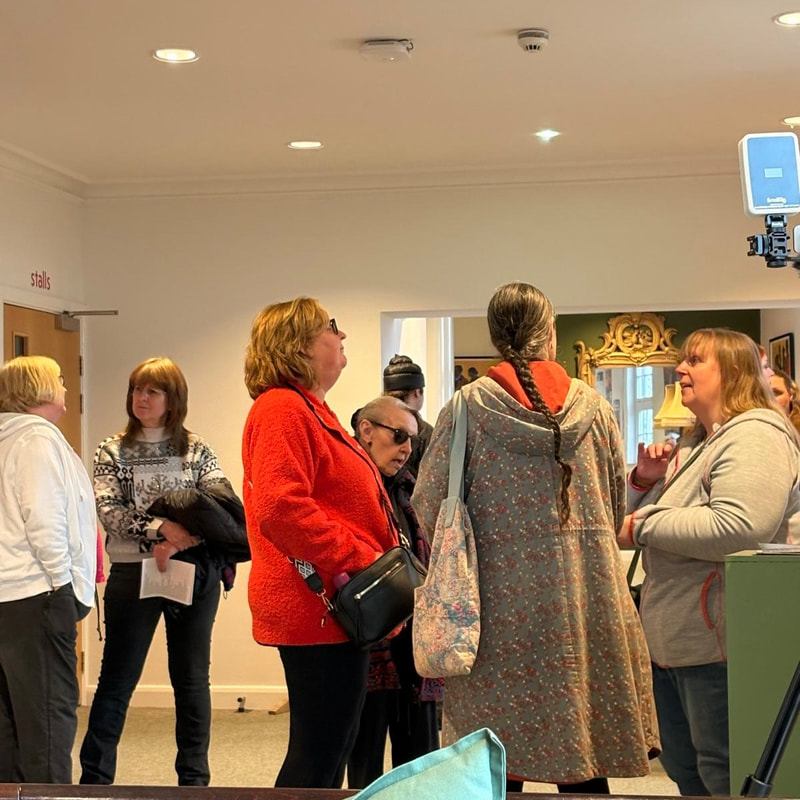
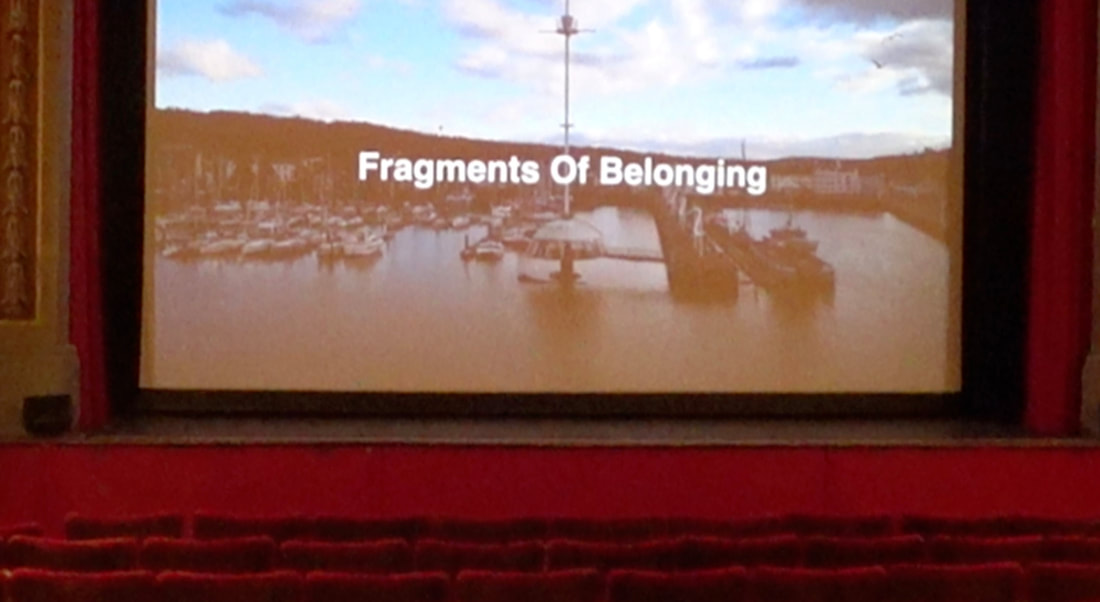
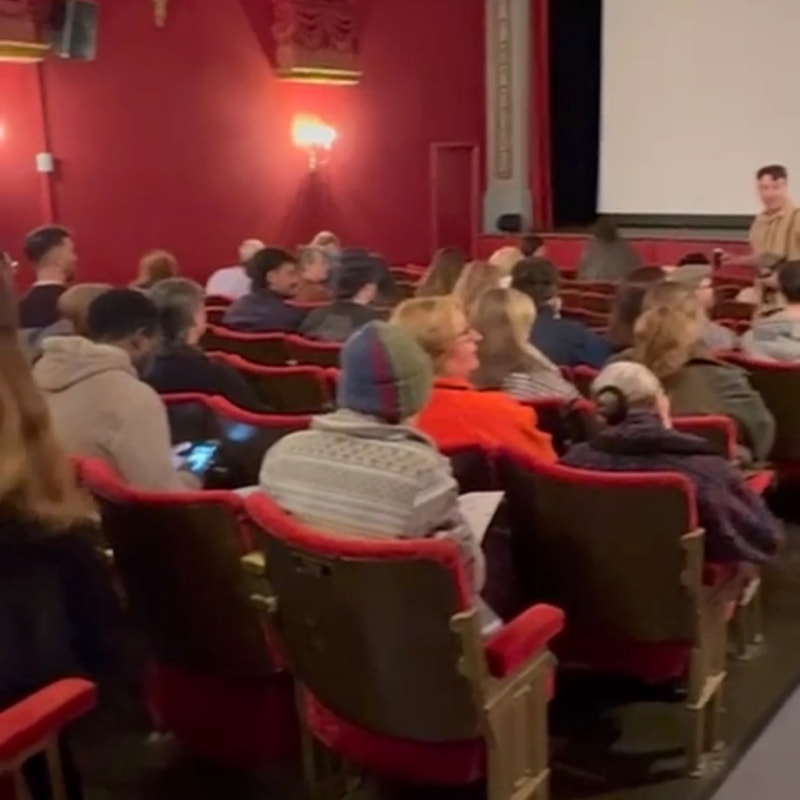
The Screening and Exhibition Last Tuesday (31st March), I watched Fragments of Belonging on a big screen for the first time, alongside a room full of supporters. The response to the Eventbrite invite had been strong, with over 70 people signing up.
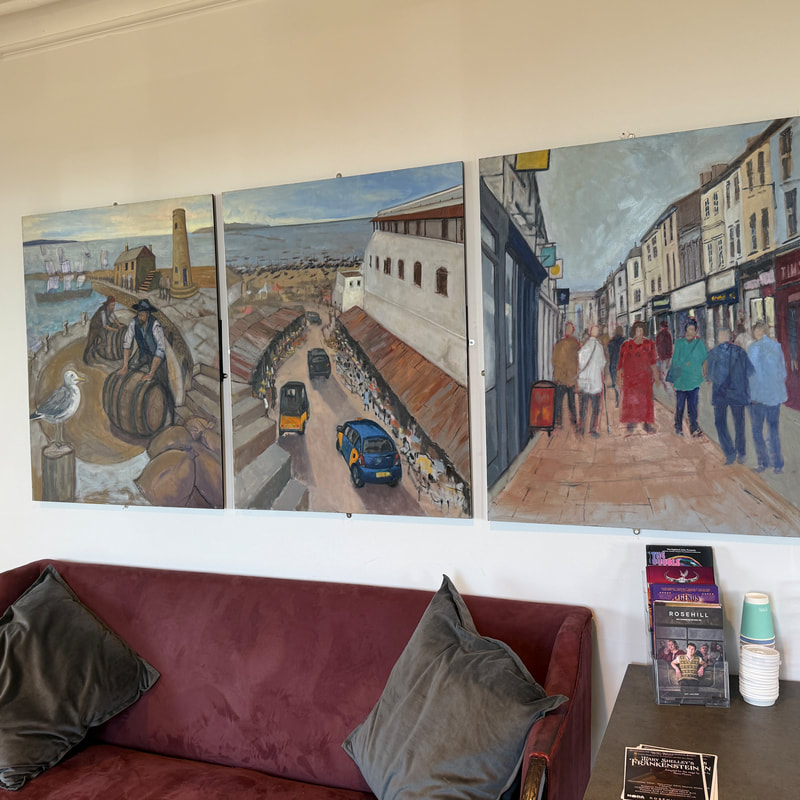
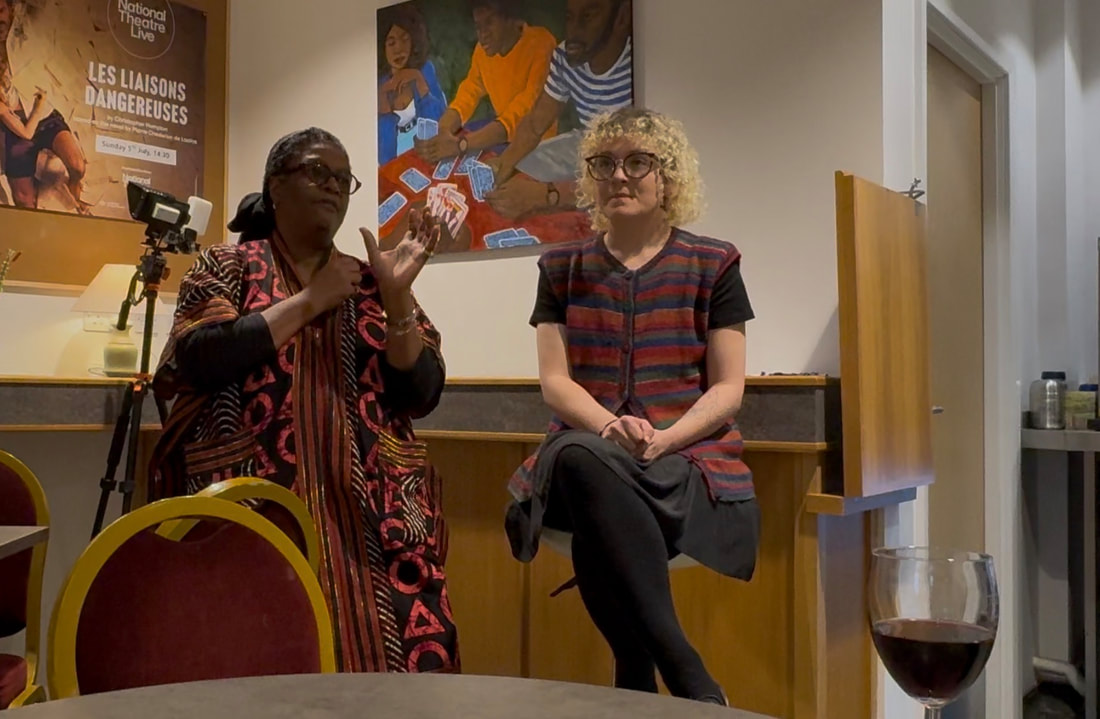
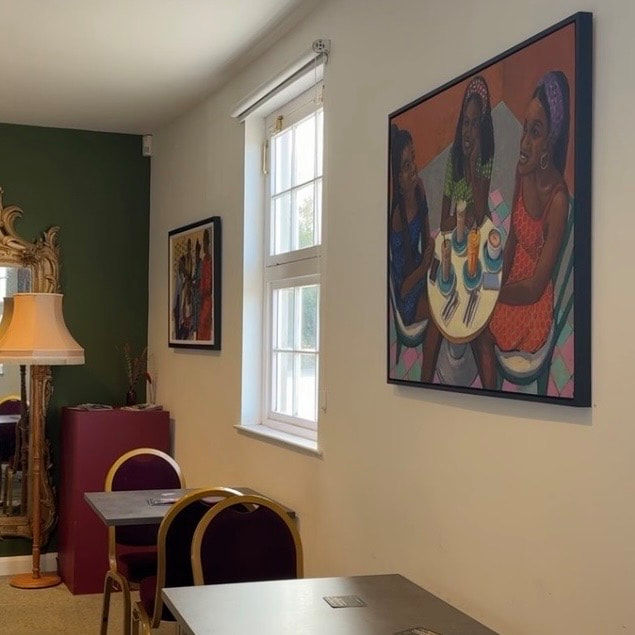
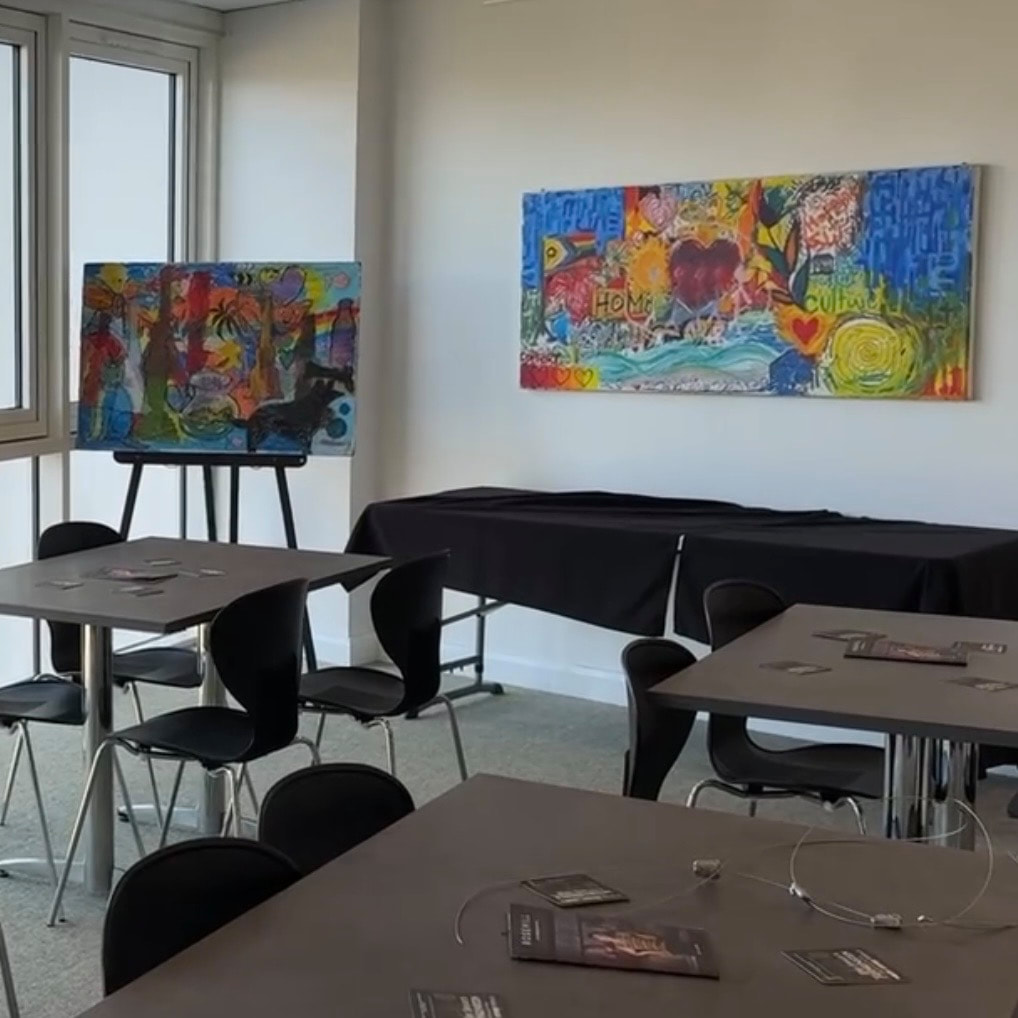
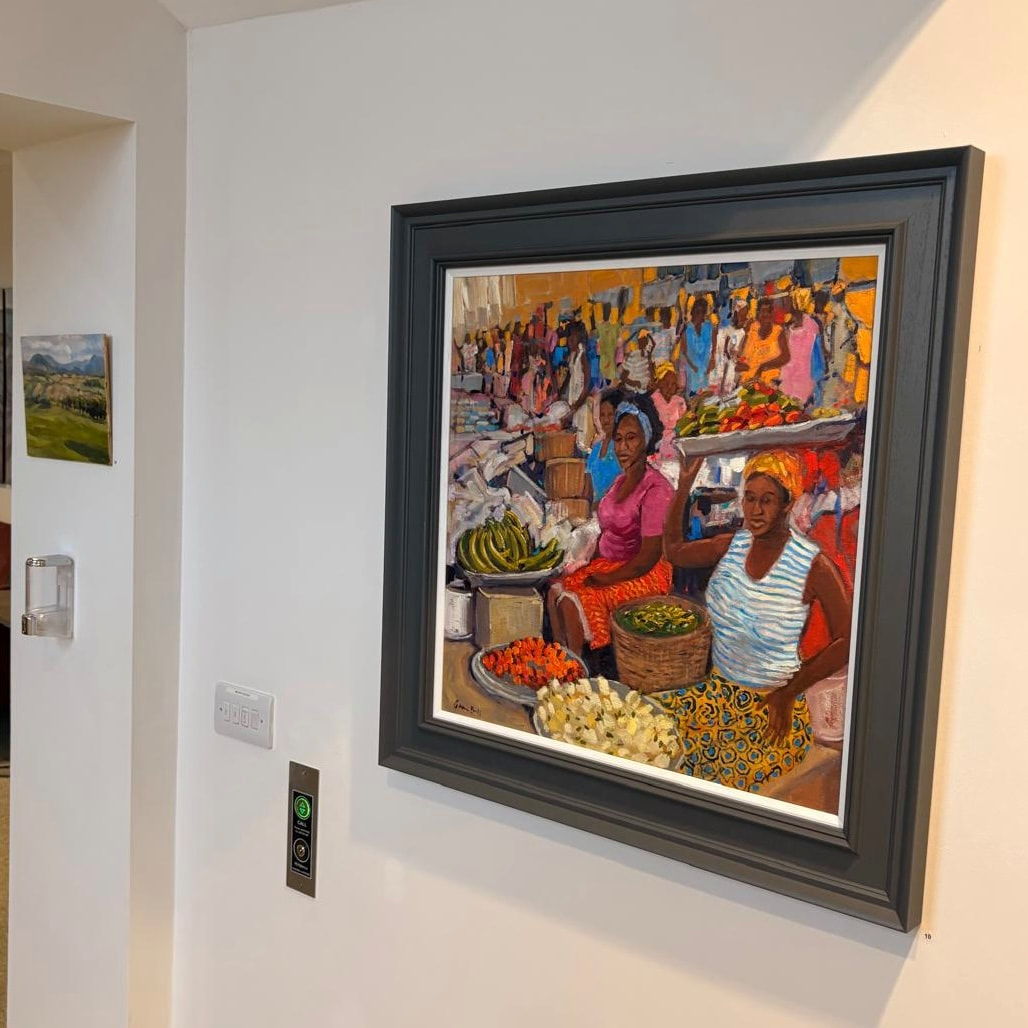
The screening sat within the exhibition, which comprised the triptych created as part of the project, a selection of my own paintings and sketches, and a selection of community created artwork. It felt important to have all of these elements together, each one holding a different part of the project. I don’t think anything quite prepares you for seeing your work like that. On a big screen, in a room full of people who have come to watch it. I felt it! The nerves, the excitement, and a sense of disbelief that this was actually happening. People came!! That meant a lot. Some I knew well, others not quite so well, and some I was meeting for the first time. They chose to be there, to give their time to the work. When the film started, the room became very still. I was aware of people watching, following it, and probably responding in their own way. Afterwards, people spoke about it as reflective and thought provoking. Some said it stayed with them, others said it touched them. For others, it raised questions. That mattered to me, because that is what the work is trying to do. The Q and A afterwards was just as important. We moved into the bar area and sat informally, no stage, no distance, just people gathered around. Hannah kicked things off, and then the questions came, one after the other. Some were direct, others more reflective, but all of them engaged with the work in a genuine way. Then there was the applause... first at the end of the film, and again after the Q and A. I wasn’t expecting that. It’s hard to explain what that feels like, but I have to tell you, it gave me goosebumps! I dedicated the film to my sister Liz, who was here when I started the project and shared my excitement with me, but wasn't able to see it completed. She had a journey of her own which began the day she left us on 20th August 2025. Fragments of Belonging was never meant to be a traditional documentary. It is closer to the way I write. I journal, I blog, I try to work things out through words. Fragments of Belonging is that, but in visual form. A visual essay, bringing together painting, poetry, film, and lived experience. Whitehaven was where it began. A place where I now live, but also a place with a complicated history. Being in the harbour, touching the stone, reimagining history, I was trying to understand what it all holds. Then the work opened out and Ghana became part of it. A return that was personal, shaped by loss, memory, and connection allowed the project to grow into something larger than I first imagined. There is more I’d like to do with it. I want to complete the triangle by visiting Antigua and learning from people who are here because their ancestors survived a perilous journey. The exhibition continues until 24th April, with the film playing on a loop in the gallery. For those who would like to spend time with it, headphones are available. This feels like an important part of where this work goes next. I’m grateful to Rosehill Theatre for their support in funding the project, to everyone who came to the screening, and to all those who have supported me in making this work possible. As always I'd appreciate any comments in the comments section below. It helps the blog reach more people and keeps the conversation going.
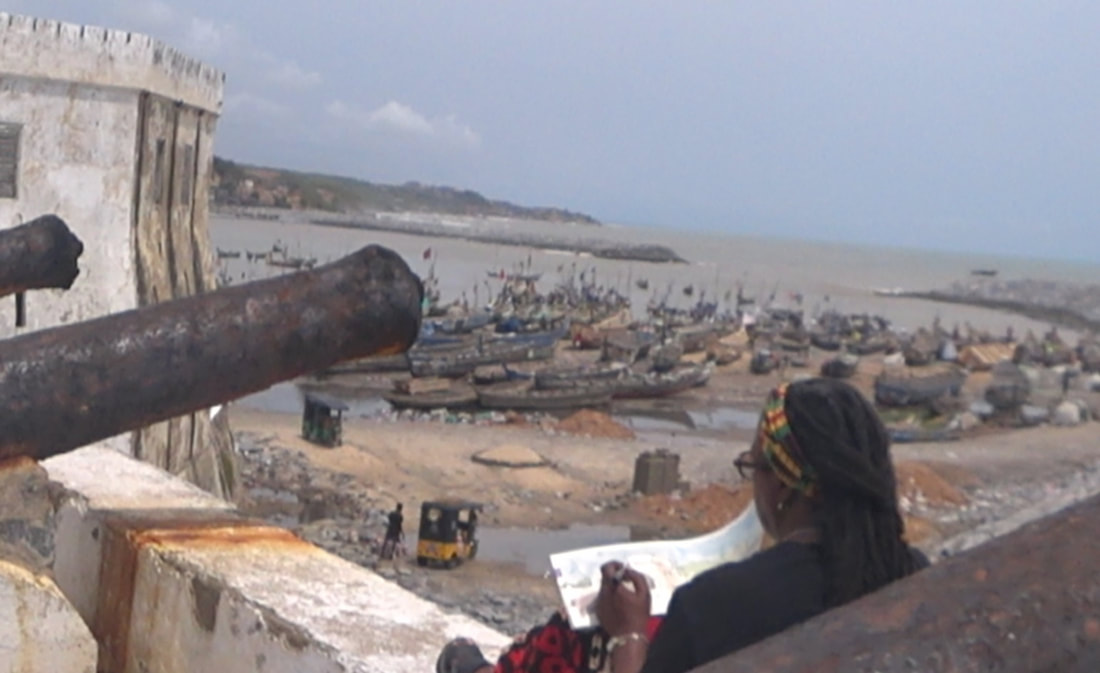
6 Comments
Month 6 For months now, this project has lived in fragments. Filming in harbours and streets. Recording voiceovers in a quiet studio with the WiFi switched off. Learning how to edit in Premiere Pro, sometimes patiently and sometimes through gritted teeth. Discovering, almost unexpectedly, how moving image and spoken word can sit together and hold something that painting alone cannot. At times it has felt expansive and outward looking. At others, intensely personal. Now it is drawing together. In the studio, finishing touches are being added. Small adjustments to paintings, highlights, edges softened or strengthened, audio cleaned, transitions tightened. Alongside that, the practical things are happening too. Frames are being confirmed, submission images prepared, the hang considered, the unglamorous but necessary details that carry work from easel and edit timeline to exhibition wall and auditorium screen. The preview screening of the 30min film will take place on 31 March in the auditorium at Rosehill Theatre in Whitehaven. The exhibition itself opens on 24 March and runs until 24 April. Seeing those dates written down makes everything feel real. For so long, the work has existed in my head, on my hard drive, on the studio walls. Soon it will sit in a public space. That always brings a mixture of pride and vulnerability. This project has taught me more than I expected. Not only about belonging and migration, but about storytelling, about how poetry can carry historical weight without closing down questions, about how film can create tension and pause in ways that surprise even me. I did not set out thinking I would fall in love with filmmaking, yet here we are. The process has opened a new language in my practice, and I can already sense it will not be the last. The exhibition will centre the triptych, with the film shown alongside selected paintings that form part of my own portfolio of works. Together they explore belonging not as a fixed conclusion but as something layered and lived; geographic, historical, social, interior. And this is not the end. Antigua still sits in my heart. The third part of the journey is waiting. If this first chapter has been about Whitehaven and Cape Coast, the next will carry the story further across the Atlantic. The questions are not finished. They have simply taken shape. As March approaches, I find myself holding completion and expectation at the same time. There is satisfaction in bringing something complex to resolution. There is also curiosity about where it will lead next. If you are local to me in Whitehaven, Cumbria, and would like to attend the film preview on 31 March, tickets are available via Eventbrite: I would love to see you there as this work steps out of the studio and into conversation. The making of this chapter is nearly done. The journey itself continues. 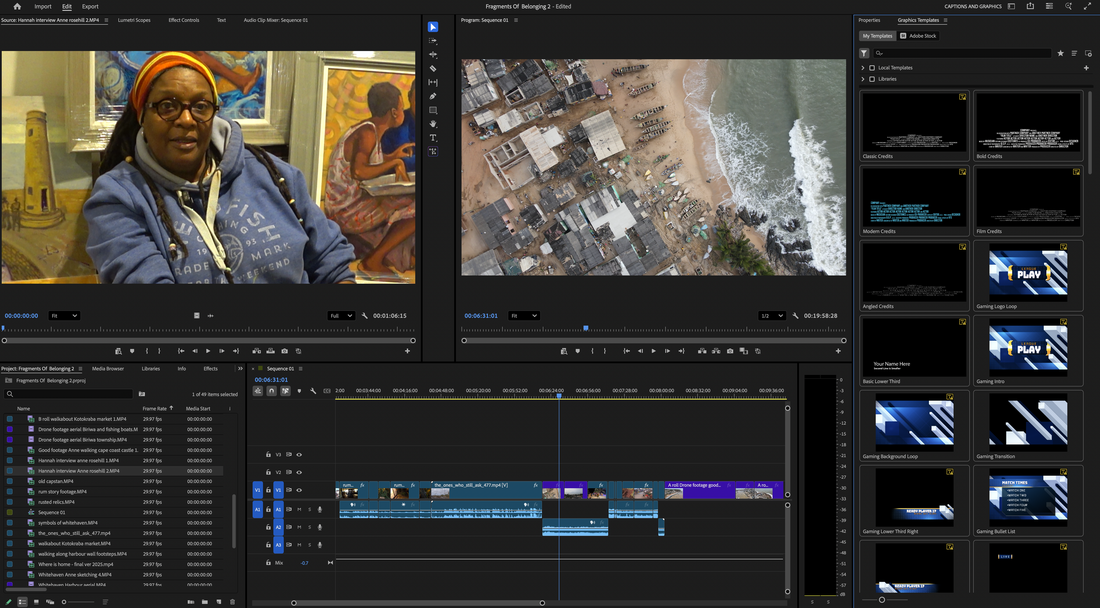 Month 5 Fragments of Belonging is a long term painting and film project exploring ideas of place, belonging, and migration through everyday life, memory, and inherited histories. The project brings together studio practice, research, and time spent responding to specific locations and environments, allowing the work to develop slowly and through sustained attention.
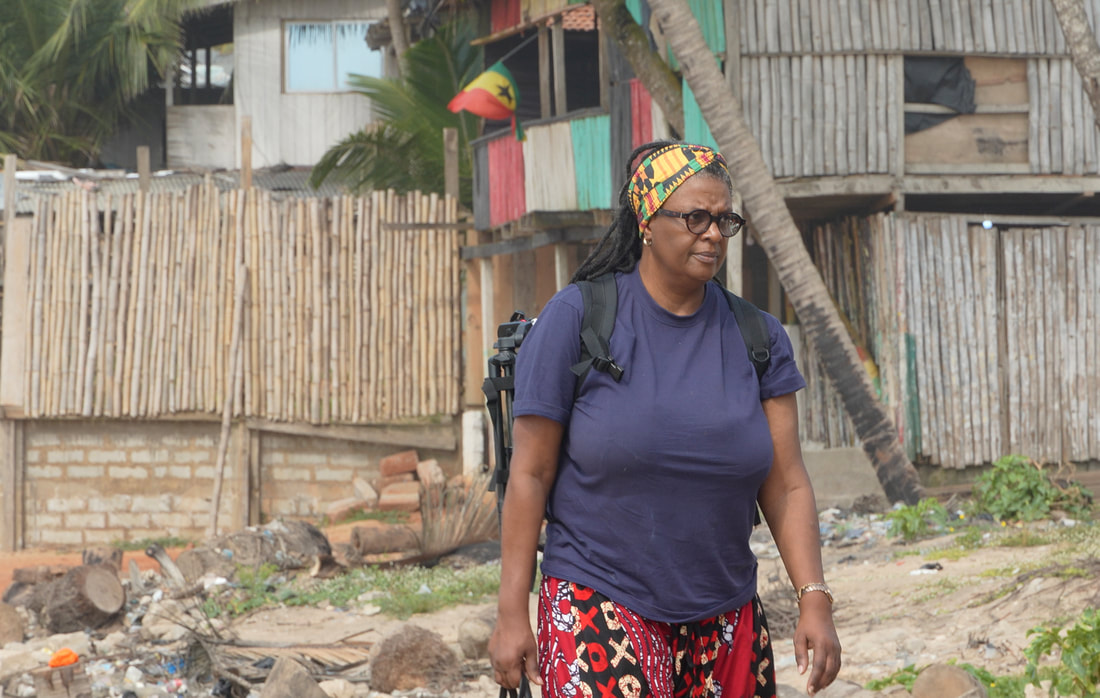
January has marked a noticeable shift in the project. Five months in, the work is moving from a more open, exploratory phase into one that feels increasingly focused. The earlier months were about gathering material and responding intuitively to history, memory, and environment as they surfaced. That period of openness was necessary, but it has gradually given way to a different kind of attention. As the project enters its final phase, I’m pleased to share that Fragments of Belonging will be presented as an exhibition this March at Rosehill Theatre in Whitehaven, opening on 24 March. This month has been spent largely in the studio, working intensively on the triptych that will sit at the centre of the exhibition. These three connected paintings are where many of the project’s threads are now being tested against one another. Ideas around everyday life, inherited histories, and movement through landscapes shaped by migration are no longer sitting alongside each other, but beginning to interlock. At this stage, the work is less about introducing new imagery and more about resolving relationships. Colour, tone, figures, and spatial structure are being adjusted and readjusted as the balance within each panel becomes clearer. It is a slower, more deliberate phase of making, one that requires patience and repeated looking rather than momentum. Decisions carry more weight now, because each change affects the whole. Migration has remained a central concern throughout the project, not as a single narrative but as an underlying condition. It appears through the movement of people, the traces of history embedded in environments, and the way belonging is shaped over time rather than assumed. These ideas are becoming more embedded in the work, less stated and more held within the structure of the paintings themselves. Alongside the painting, the film element of Fragments of Belonging is continuing to develop. This will take the form of a longer essay style film shown as part of the exhibition. January has been about clarifying its direction and overall structure, thinking carefully about pacing, voice, and how the film sits in dialogue with the paintings rather than simply explaining them. As the project moves closer to its conclusion, the emphasis is shifting. There is less focus on generating new material and more on refining what already exists, making decisions, and allowing the work to settle into a coherent whole. This stage feels quieter but more demanding, asking for concentration rather than expansion. Over the coming weeks I will be completing the triptych, continuing work on the film, and selecting a small group of supporting works for the exhibition. I will also begin sharing more about the exhibition itself as February unfolds. At this point, the work feels close, but not finished. The task now is to stay with it, to trust the process of drawing it all together, and to see it through. If you'd rather listen to me read the blog, press play below... Month 4 - The Inspiration Behind The Poem I’ve recently returned from a trip to Ghana where the question of home came up again in a quiet but powerful way. I travelled from Accra to Cape Coast and stopped briefly at Biriwa, my ancestral village. Even though I was not born there and have never lived there, I feel I can call it home because I know it to be the home of my ancestors, a place carried through family stories and memory, passed down long before I ever stood there.
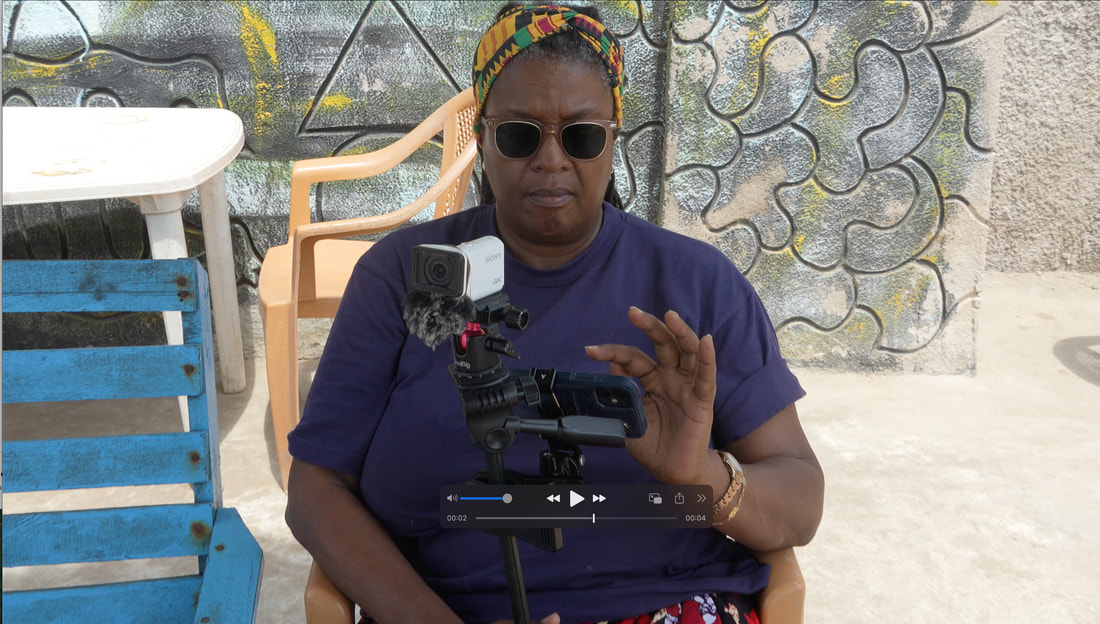
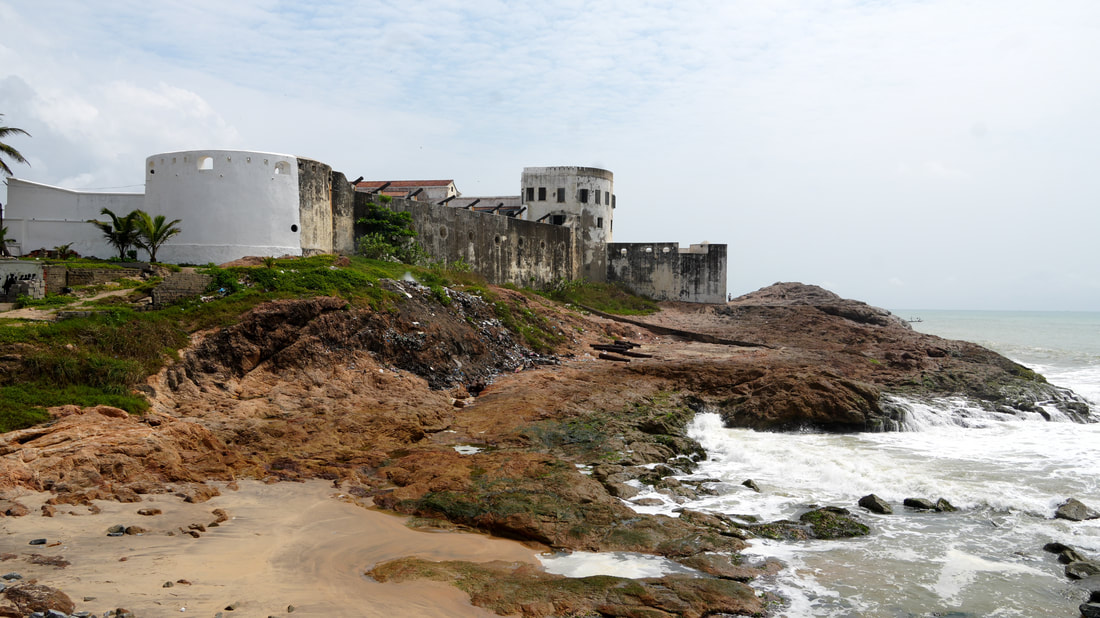
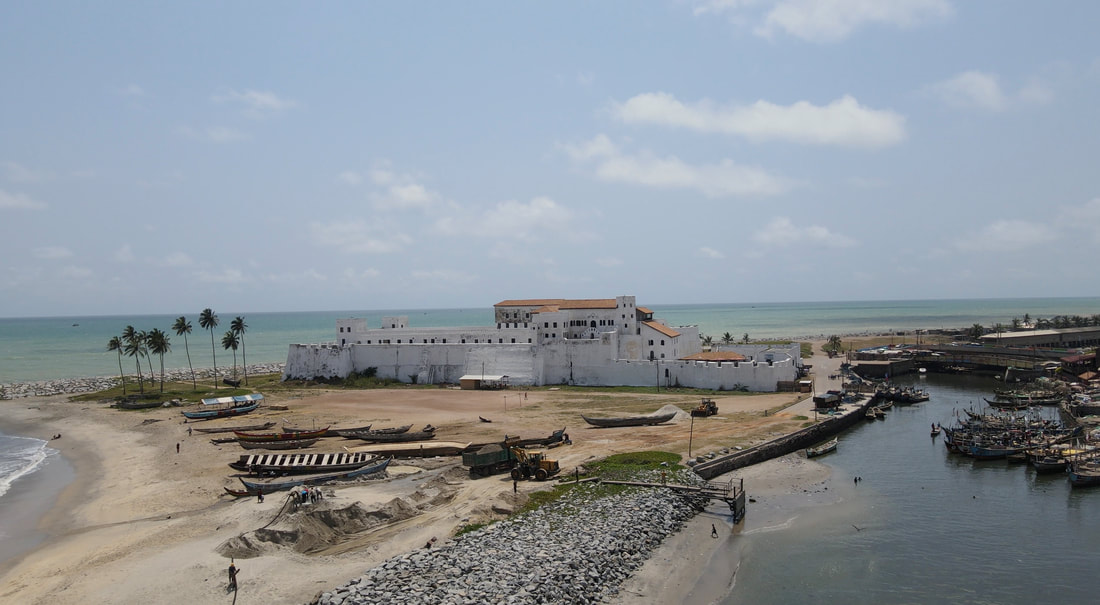
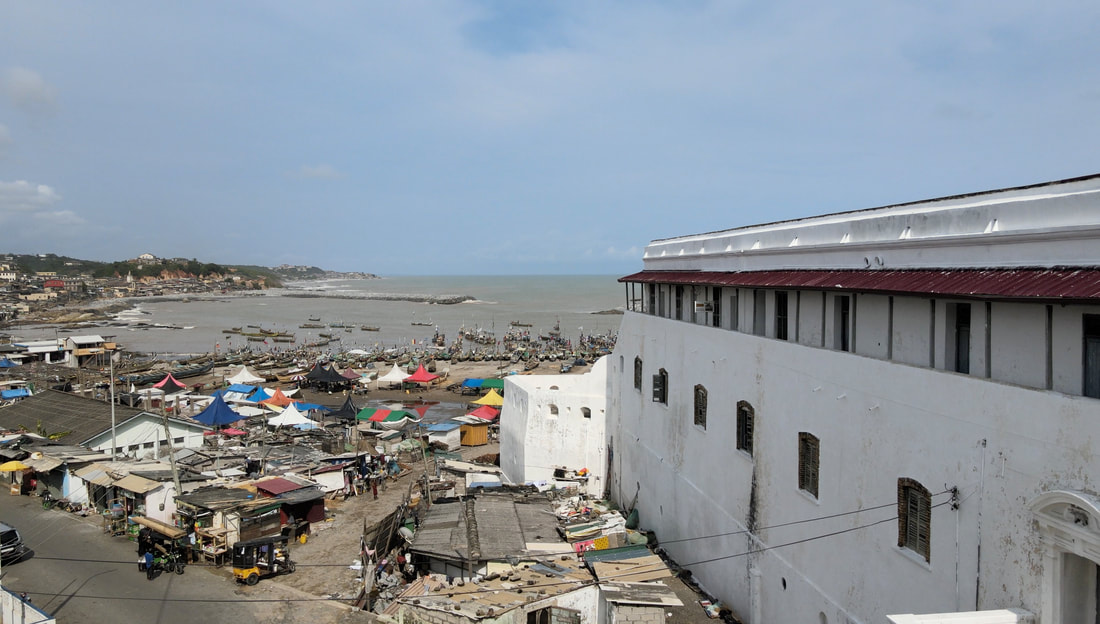
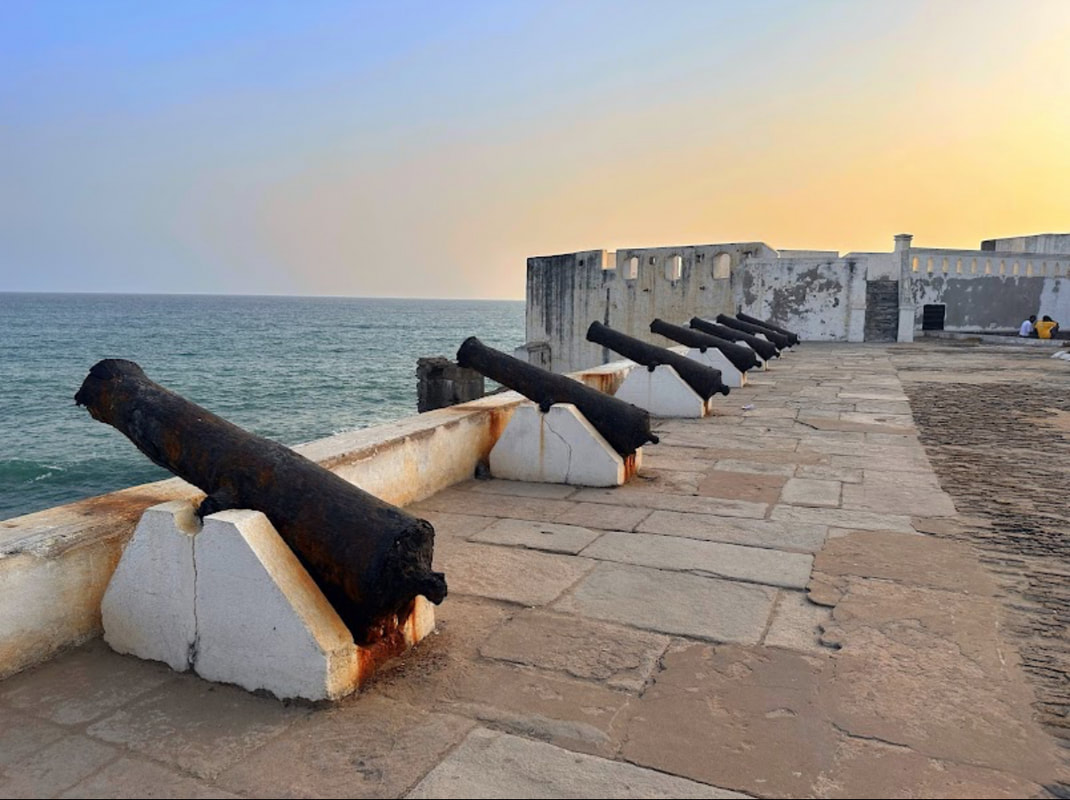
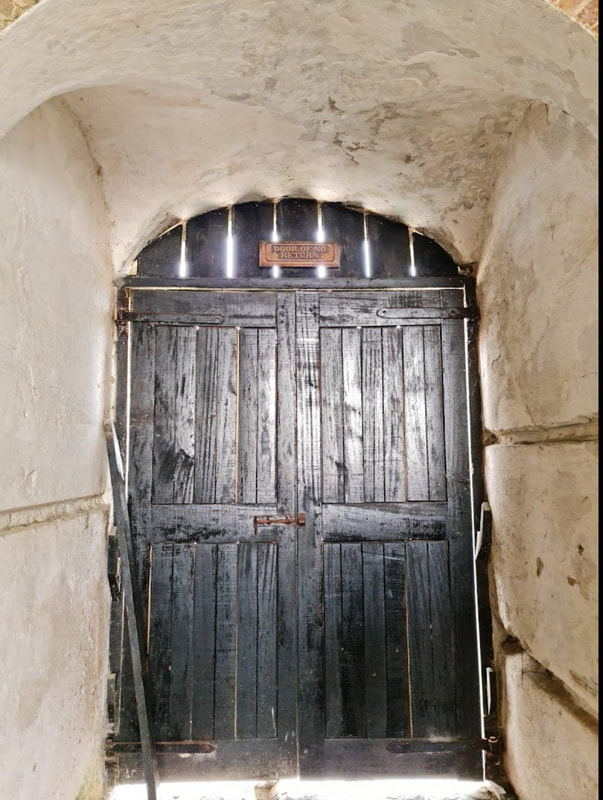
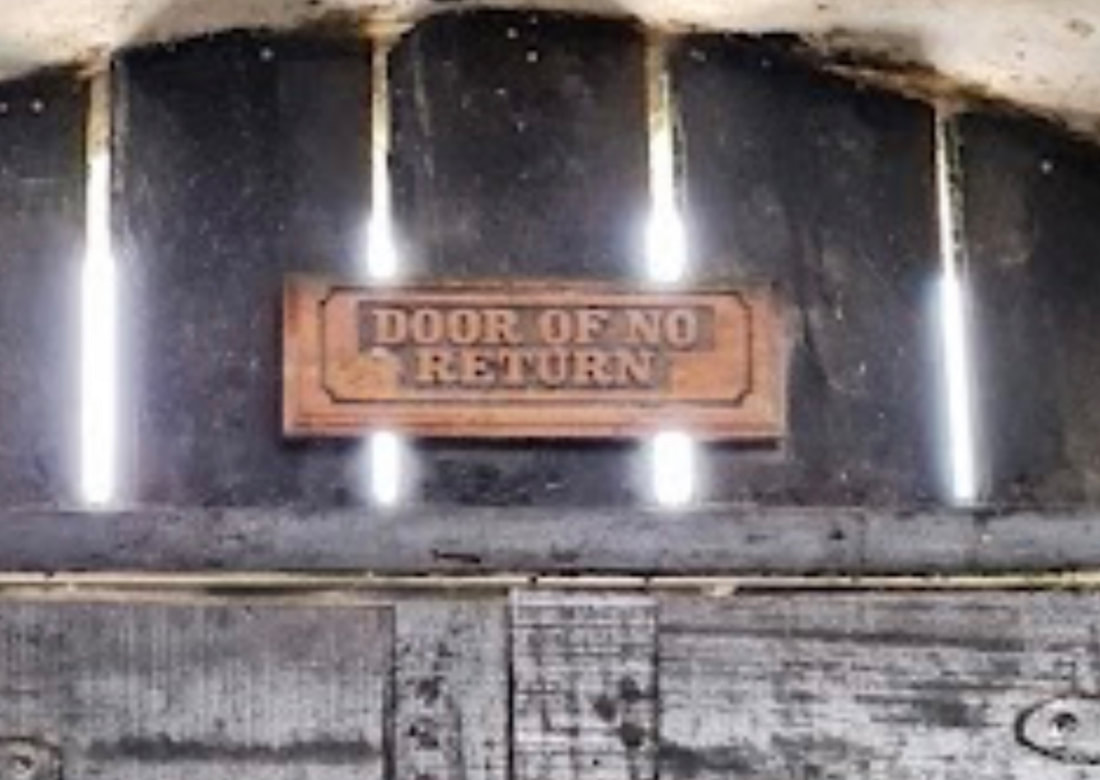
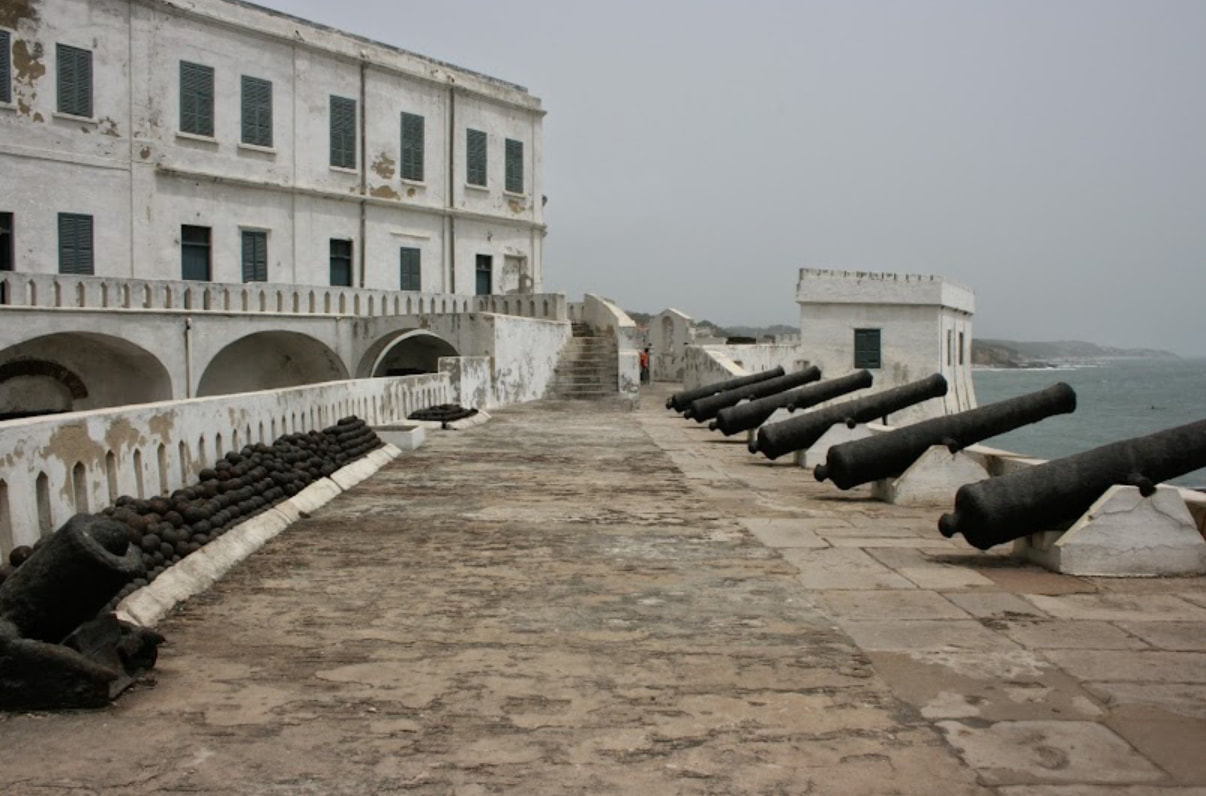
The warmth of that brief stop at Biriwa stayed with me throughout the journey. Standing on land my ancestors once walked stirred a sense of familiarity that is difficult to explain. It reminded me how places can hold us, even from a distance, and how belonging sometimes comes from knowing where your story began rather than where your life has been lived. While I was in Ghana, I found myself thinking again about a young Afghan man I met in Whitehaven during Refugee Week in June 2024. His words have stayed with me ever since and were the spark for the poem Where Is Home? He spoke so tenderly about the home he had been forced to leave behind. He described families living closely together and spending warm evenings on the flat roof of their house, eating, chatting and simply being with one another. He told me how his mother was always the first person you saw when you entered the home, a detail that seemed to hold everything together. And he spoke about the children playing between the quince and apple trees, as if the trees themselves were part of their daily rhythm. Listening to him paint such a gentle and idyllic picture of belonging made me wonder what must happen to push someone away from a life like that. What compels a person to leave a place they love so deeply and travel to a country where they might not be welcomed, where they must learn a new language and often take work far below their qualifications simply to survive. It reminded me that migration is not always a choice. Some people move in hope, some in fear, and some because they are forced. In the history of places like Cape Coast and Elmina, many were taken from the land of their ancestors and enslaved, carried across seas to live far from everything they knew. That reality, woven into the stones and shoreline of those coastal landscapes, sits heavily beneath the question of home. Walking through Biriwa and Cape Coast brought those thoughts back into focus. I carried the Afghan young man’s memory alongside my own experience of reconnecting with ancestral ground. His story of home lived beside the landscapes I was seeing, and I realised that both held something essential about belonging. One was a memory of a place lost, full of love and longing. The other was a place my family came from, a place I recognised instinctively even though I had not lived there myself. Between these two was Whitehaven, the town I chose, the place where this project began, and where I now live and create. It made me think about how home is rarely a single place. It might be the land you inherit, the land you leave, the land you return to or the land where you build a new version of your life. Sometimes it shifts. Sometimes it lives inside you rather than around you. Fragments of Belonging is, at its heart, a project about migration and the many reasons people move from one place to another. In exploring that question, I also find myself asking what home is or was, and what it truly means to belong. Some people move voluntarily. Others are forced by war or famine. And many, including those whose stories shape the history of Cape Coast and Elmina, were forced by slavery to leave the land of their ancestors and rebuild their lives in places they never chose. My upcoming trip to Antigua will help me understand more deeply the lives of those who were taken across the Atlantic, so that their experiences can speak through this project as I continue to explore the shifting idea of home and the stories that shape us. As this chapter closes, I find myself looking ahead to Month 5 with a sense of curiosity and creative energy. I want to depict this unfolding journey visually, as a painter who has discovered a new devotion to poetry and filmmaking. It feels like the right time to return to what I once learned at art school about imaginative composition and allow the narrative of Fragments of Belonging to move into paint. I am not entirely sure what the outcome will be, and perhaps that uncertainty is part of the process. What I do know is that I will film the making of these pieces, record my thoughts along the way, and invite you to walk with me through the next stage of this journey as the story begins to take visual form. Where Is Home? Where is home? Is it the place we’re born the land we leave behind when tides of hunger, war, or hope carry us elsewhere? Is it the place we rebuild where our hands learn new work, our tongues learn new sounds, and we stitch pieces of ourselves into unfamiliar streets? Or is it the life we remember families living side by side. Breaking bread together. A mother’s smile the first light of morning. Children playing amongst quince and apple trees. Or does it live far away, in the land of our ancestors, whose names are woven into our blood, whose stories reach for us across oceans, reminding us we belong to more than one shore? Is home given or chosen? Or can it be lost and remade? Or is it a key we still carry, the only memory of the door it once opened? Copyright © Anne Blankson-Hemans 2025 I would like to end by asking the same question I ask everyone. What does home mean to you? Please may I ask you to share your thoughts with us in the comments section below. I would love to hear your what you have to say and commenting here helps others find and support this project. Month 3: Stories From The DungeonsMy recent month long visit to Ghana was not planned around work. I went to attend my sister’s requiem mass and to spend time with family, especially my aunt, Auntie Alberta, the family matriarch, who celebrated her ninety third birthday whilst I was there. It became a deeply grounding trip, filled with reflection, laughter and quiet moments of gratitude. During those weeks I also travelled to Cape Coast and Elmina to gather new material for my Fragments of Belonging project. I went with my sister’s best friend Wendie, her nephew Nana and my nephew Mark. The road between Kasoa and Winneba Junction was particularly rough, with roadworks in progress, large craters and potholes of red earth and dust. With no white lines, traffic became something of a free for all as vehicles picked out the best routes in either direction. Nana drove us carefully and patiently through it all. Mark managed the drone with ease and captured some remarkable aerial footage that will form part of the film work for the project. At Cape Coast Castle We spent several hours at Cape Coast Castle, walking through the dungeons, and along the passage leading to the Door of No Return. I have visited before, but this time I went with the intention of reimagining rather than observing. The air was heavy and humid, the kind of heat that clings to your skin. It was breezy by the sea yet swelteringly hot inside the thick stone walls. I paid attention to everything: the shifting light, the echo of footsteps, the wreaths now lining the dungeon walls laid by descendants who have returned to honour their ancestors, and the sudden glare as you step outside into blinding brightness. Standing there, I thought about what it meant to begin a forced journey across the Atlantic, to lose everything familiar and face an unknown horizon. I found myself thinking of Whitehaven, the harbour that has become such an anchor in my work. The same ocean that carried ships from Cape Coast reaches the shores of Cumbria. Two harbours connected by water and history, one story reflected in another. An unexpected connection Just as we were getting ready to leave, I met a woman whose heritage lies in Antigua. She lives in London and teaches in a primary school there. It was one of those unplanned meetings that immediately felt significant. By then my main film equipment had already been packed into the car, so I quickly recorded our conversation on my iPhone, standing near the water with the sound of outboard motors humming in the background. The audio quality was far from ideal, but I was determined not to lose the moment. Her reflections added another layer to the story of Fragments of Belonging, linking Ghana, England, and Antigua in a way that felt immediate and real. I have her contact details and hope to record a proper follow up interview with her later. Encounters like this remind me that these stories often find their own way to surface when you stay open to them. Sketching in the heat I had hoped to sketch more on site, but the conditions were difficult. I was both camera person and subject, with Wendie acting as a very able assistant. The heat was relentless, the light glaring and the humidity so intense that within minutes I was perspiring by the bucket. More than once I felt faint and had to pause, water bottle in hand, waiting for the dizziness to pass. Still, I made quick notes and took as many photographs and film footage as possible, knowing they would become references for drawings and paintings later. I plan to create new sketches in the studio from those images, capturing not only the structures and spaces but also the sensations of that day, the heat, the glare and the weight of history pressing through the air. Towards the poem Where Is Home The experiences and images from Cape Coast and Elmina will flow into my new poem titled 'Where Is Home?'. The poem asks what home truly is; moving between memory, migration, and ancestry. It holds the tension between the places we leave behind, the places we rebuild, and the places that still call to us across the water. I can already imagine how the film might unfold, with Mark’s drone footage gliding over the sea and stone, the rhythm of waves and my voice carrying the poem above the sound of the Atlantic. Back in Cumbria Now back in the studio, I have been sorting through notes, footage, and sketches, letting ideas settle before they take form. The trip deepened my understanding of what Fragments of Belonging can become. Each place and each encounter adds another piece to the story, slowly shaping a larger picture. Looking toward Antigua The next stage of this work will carry me to Antigua. It was one of the Caribbean islands directly connected to Whitehaven through the trade routes that once linked the Gold Coast, the Caribbean and Britain. Sugar grown in Antigua travelled across the Atlantic to the port at Whitehaven, while ships leaving the Cumbrian coast completed the triangle by returning to West Africa. Antigua holds the third point of this project. Whitehaven is where this work began. Ghana is where the deeper story unfolded. Antigua is the place where the echoes of both histories meet and continue. To complete Fragments of Belonging, I know I will need to stand on Antiguan soil, walk its coastline and listen for the stories held there. It will form the final part of this journey and help bring the full shape of the project into view. For now, I am beginning the work of the second poem and the film. The notes, images and impressions gathered in Ghana are already finding their way onto the page and into the camera. Each fragment is helping me understand what should come next. Thanks for taking the time to read my blog, please post any comments or questions in the comments area below... this helps a great deal with my website optimisation. I have been quiet here for the past two months. In August, my sister Liz passed away, and everything else fell away with her. The weeks that followed were shaped by loss and by the long, weighty preparations for her funeral. All my focus turned to honouring her life. The studio stood still, my brushes dried up, and social media felt like another world I couldn’t reach.
Silence has its own gravity. At first it was protective, holding me in place, keeping me from shattering into a myriad of fragments. Silence can also be isolating, and I have felt both sides of it. In the quiet, whilst I'm alone at night with my thoughts, grief has made itself known, sharp at times, tender at others, and I have had to let it have its space. Liz was more than a sister to me. She carried a strength and a light that defied the challenges of her illness. Our bond grew even deeper after I gave her my kidney because she needed a new one. A part of me went with her then, and that bond cannot be undone. Now, with her gone, I feel as though she has taken part of me with her too. It is both a loss and a strange kind of closeness, one that I am still learning how to hold. In a few days I will travel to Ghana. The visit was not planned but has come about after Liz’s death. I will be with family, feel the warmth of the sun on my face, and join family and friends in the requiem Mass that will be held for her. I will also celebrate my matriarch aunt’s 93rd birthday with her, a reminder of resilience, continuity, and joy. Although this journey begins in grief, it also allows me to carry forward the next stage of my Fragments of Belonging project. The work has three movements: the first, to explore echoes of belonging in Whitehaven, a harbour town shaped by trade and migration; the second, to return to Cape Coast in Ghana, to stand at the Castle where so many journeys began under the shadow of enslavement; and the third, to conclude in Antigua, where I hope to explore fragments of belonging in and around the sugar cane plantations. This visit to Ghana places me in the middle of the work in every sense. In the middle of the grief that has reshaped me. In the middle of the questions of belonging that continue to grow sharper and more insistent. And in the middle of the project itself, where personal memory and historical memory converge. I don’t expect to dive straight back into full work mode. I am easing in, step by step. In Ghana I hope to gather fragments of colour, of sound, of memory, not to finish anything, but simply to begin again. To find threads I can stitch into my work and into life as it now is. Returning to the studio, to writing, to sharing here will not be about productivity or performance. It will be about rhythm, about presence, about showing up for myself and for the work in whatever way is possible. The pause has been long, but I am beginning to see that perhaps it too is part of the work, a necessary stillness before the next unfolding. Liz was always proud of the progress I was making, proud of the way I tried to shape a voice and vision that stood apart and spoke uniquely. I shared my projects with her, and she encouraged me always to keep going, to keep carving out that space for myself and my art. As I take these next steps, I will carry that encouragement with me. It gives me hope that even through grief, new work can emerge; work that honours her pride, and continues to grow from the fragments she helped me believe in. Month 2 - Shared Echoes, Shared Vision Since sharing the first part of this journey, I’ve continued walking through Whitehaven — sketching, filming, and letting the town unfold around me. But the most unexpected shift came when I stepped into The Rum Story.
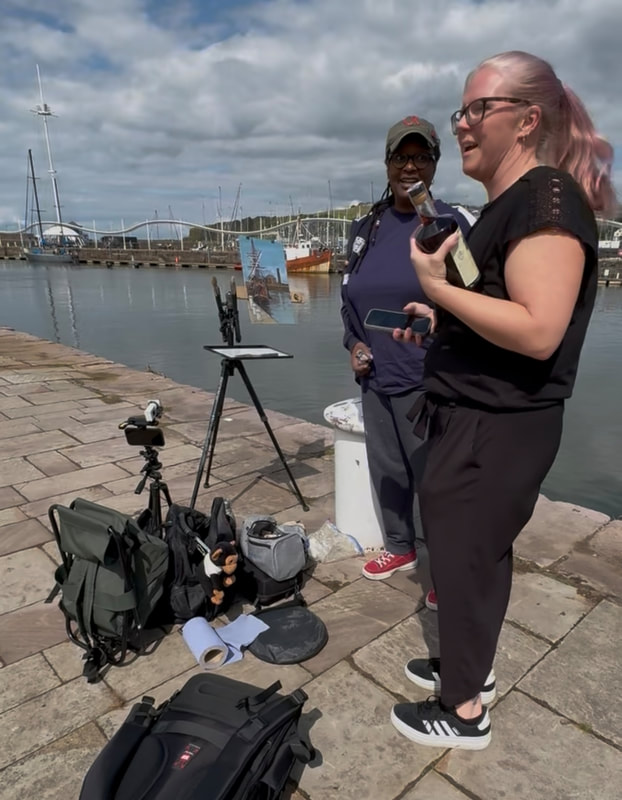
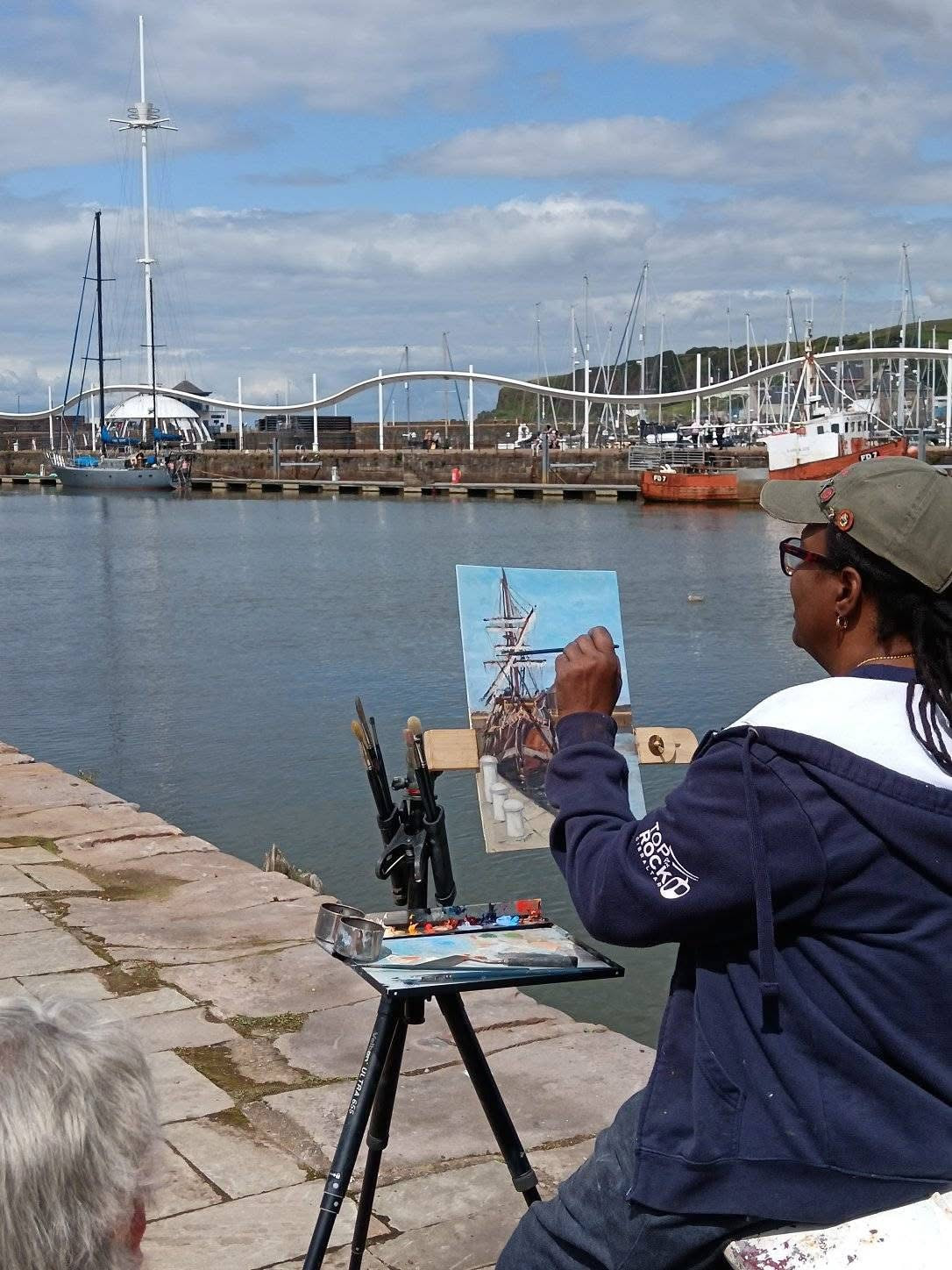
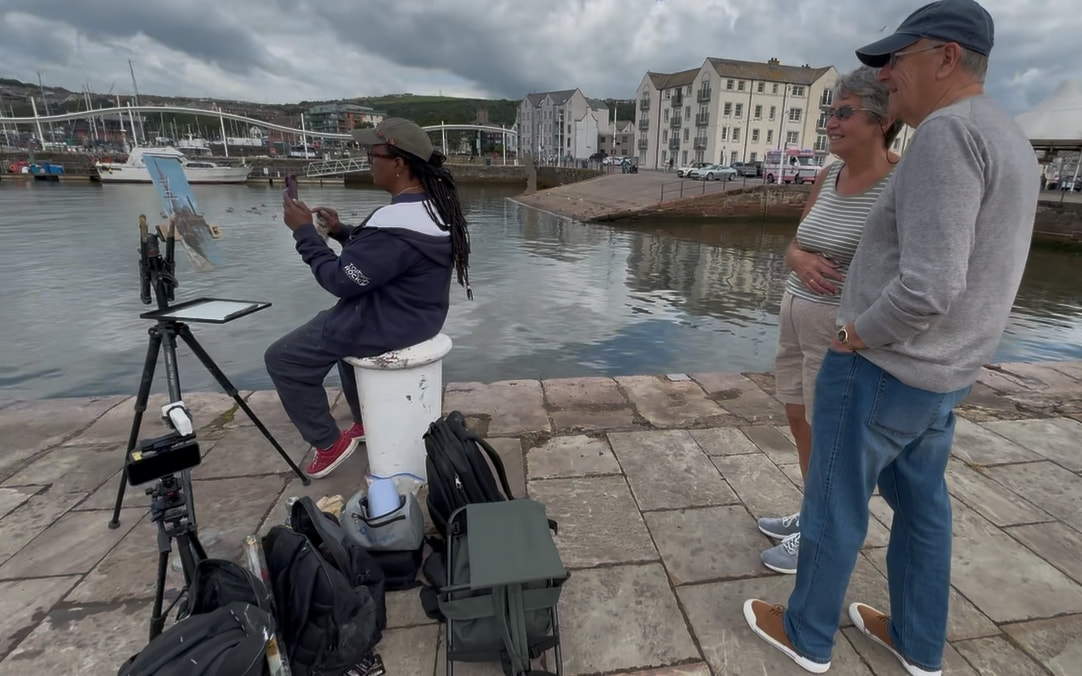
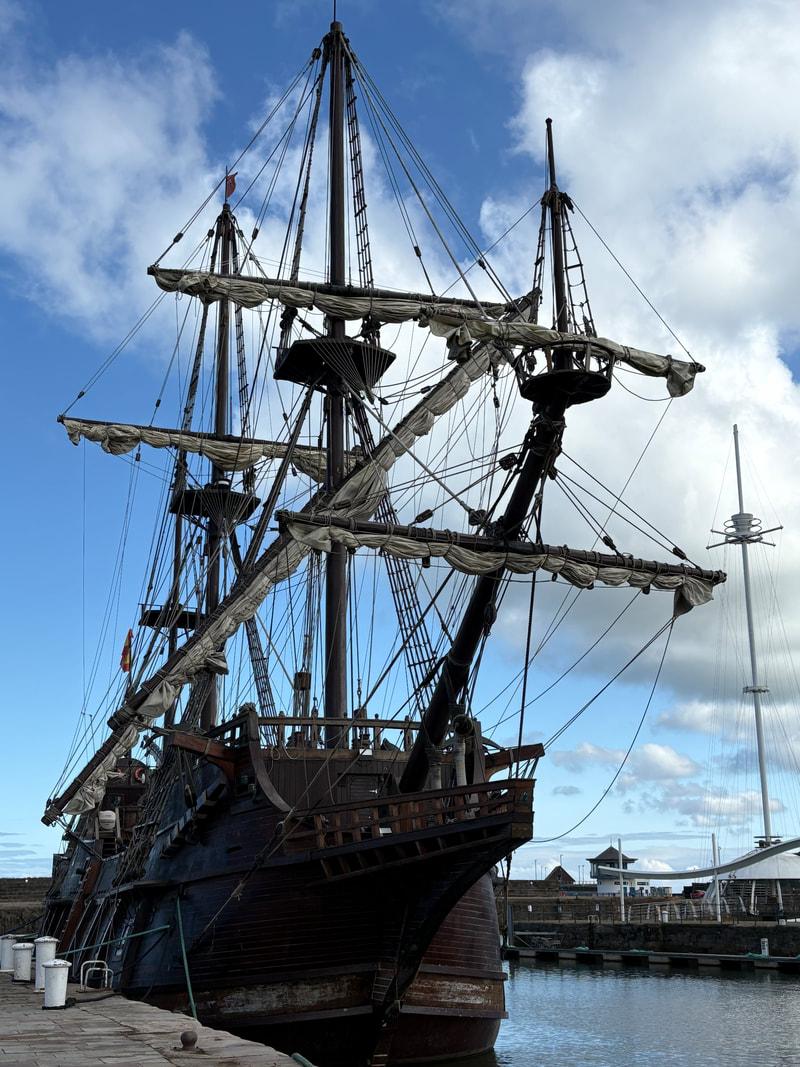
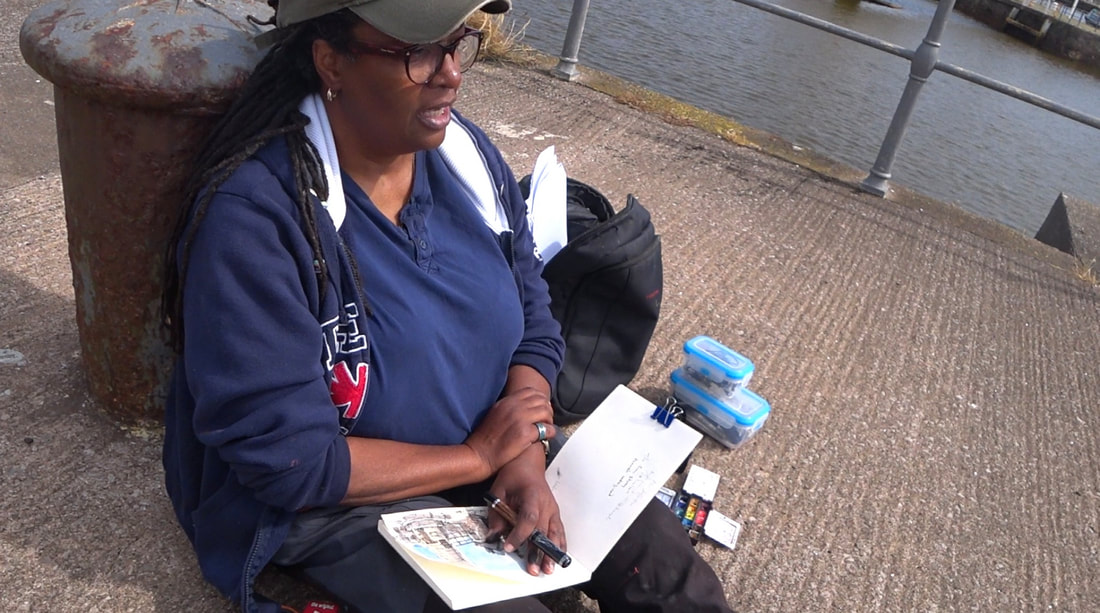
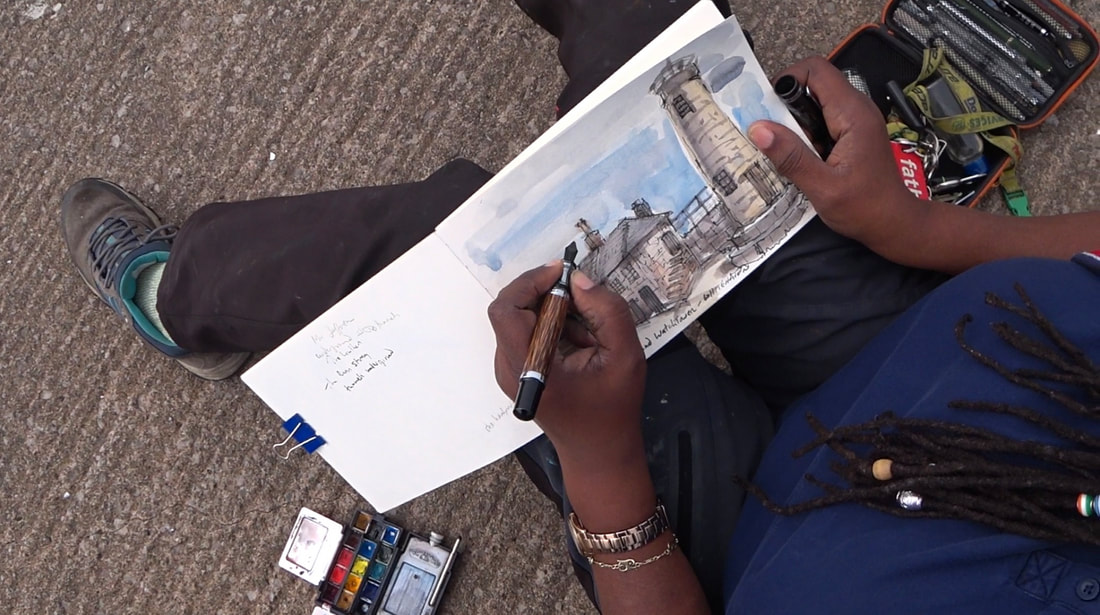
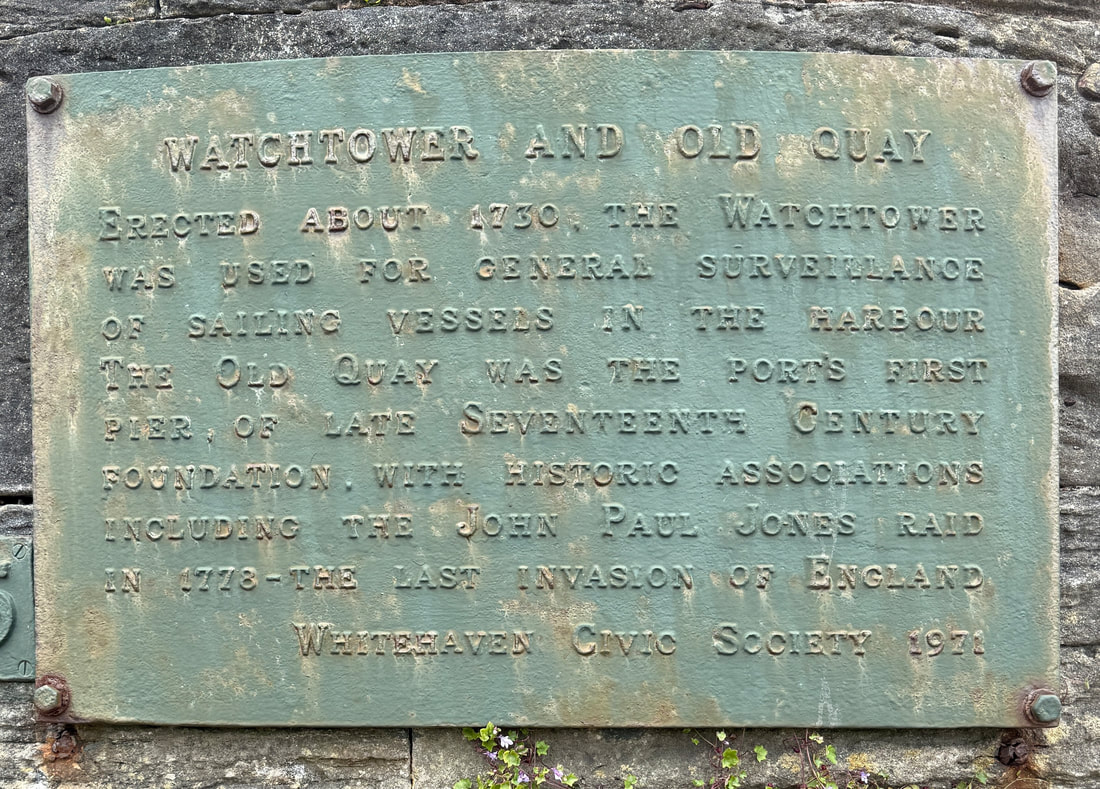
The Rum Story is a visitor attraction housed in a former 18th-century wine merchant’s building in Whitehaven. It traces the town’s maritime past and the history of the rum trade — including its entanglement with empire, enslaved labour, and colonial economies. I met with the team — Katy and Louise — before visiting the museum on my own. I didn’t quite know what I’d find, just a sense that this space, with all its echoes and weight, might have something to say. I walked through the museum mostly in silence, lost in my thoughts and imaginings. There’s a certain stillness in spaces like that — where stories sit quietly, and history becomes atmosphere. I didn’t try to analyse it. I simply moved through it, eyes and heart open. What I hadn’t known beforehand — and what felt like an unexpected moment of alignment — is that they, too, are working on a new creative strand: The Rum Story Re-imagined. It’s an initiative aimed at inviting contemporary perspectives into the museum — to rethink how these histories are presented, and whose voices get to respond to them. Our visions, while coming from different angles, share a common thread — a desire to open up space for new stories, new perspectives, and deeper connection. They’ve invited me to return to film, sketch, and respond artistically to the museum itself. It feels like a generous and significant turning point — moving from visitor to participant, from quiet reflection to creative response. Another moment that stirred something deep: I spent time at the harbour sketching the Galeón Andalucía, a replica of a 17th-century Spanish galleon that had docked in Whitehaven for a few days. It isn’t from the same historical moment as the ships I imagine moving through this port centuries ago, but seeing it there — sails, rigging, structure — I couldn’t help but slip into a reimagining. What might the harbour have looked like then? What other ships once traced these same waters? Who was on board — willingly or not? These kinds of questions — visual, emotional, historical — ripple through every part of this work. They’ve also found their way into a poem I’m writing alongside the project, titled: The Ones Who Still Ask We are the ones who still ask. We press our ears to cold stone walls, listening for the ghosts of laughter or the hush between the chains. We are the ones who trace the grooves of salt-worn steps, run fingertips along iron railings and shipyard scars, gathering fragments, names half-whispered, stories unrecorded, bones of memory buried in ledgers. We walk harbours where history washed up and was swept away, where belonging is not a given, but something we keep returning to again and again, questioning, marking, reimagining. We are the ones who still ask, because the silence was never the end of the story. ©Anne Blankson-Hemans 2025 I’ll be returning to The Rum Story soon — this time with sketchbook and camera in hand. Until then, I’m holding on to the quiet affirmations I’ve gathered this month — that even as I trace the fragments of history, I’m not doing it alone. If you’d like to follow this journey more closely, my first blog post is still live — and your support, whether through sharing, conversation, or the odd coffee, means a great deal. 🔗 Link in bio ☕️ Support via my website If you'd like to learn more about The Rum Story Re-Imagined click here... Month 1 - A Quiet Hello From The Shoreline This month, I’m excited to share the beginning of a new creative chapter — a project I’ll be working on over the next few months as part of my residency with Rosehill Theatre.
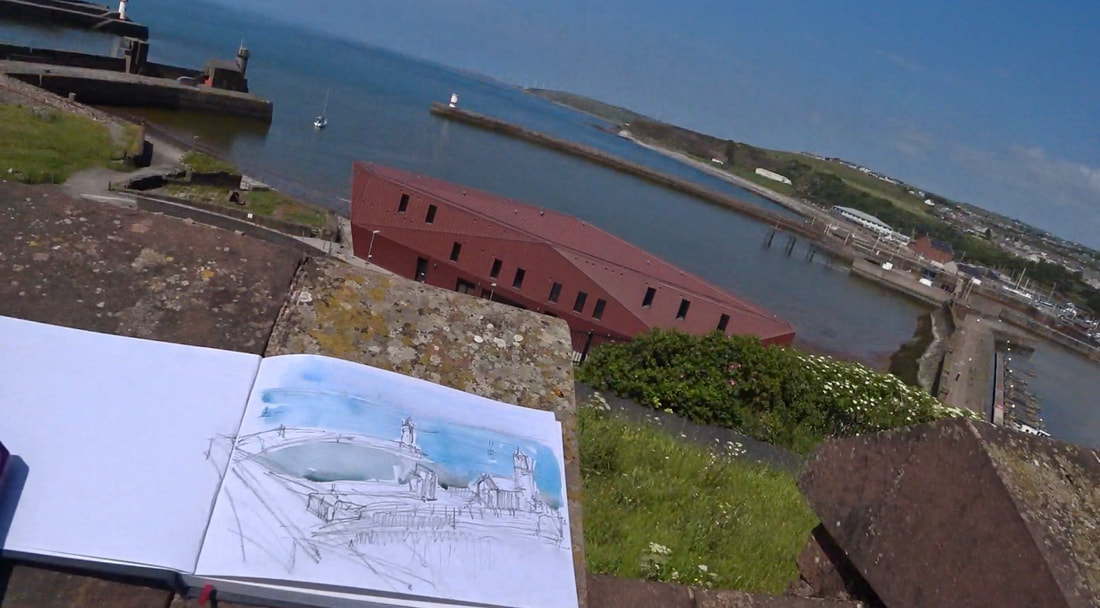
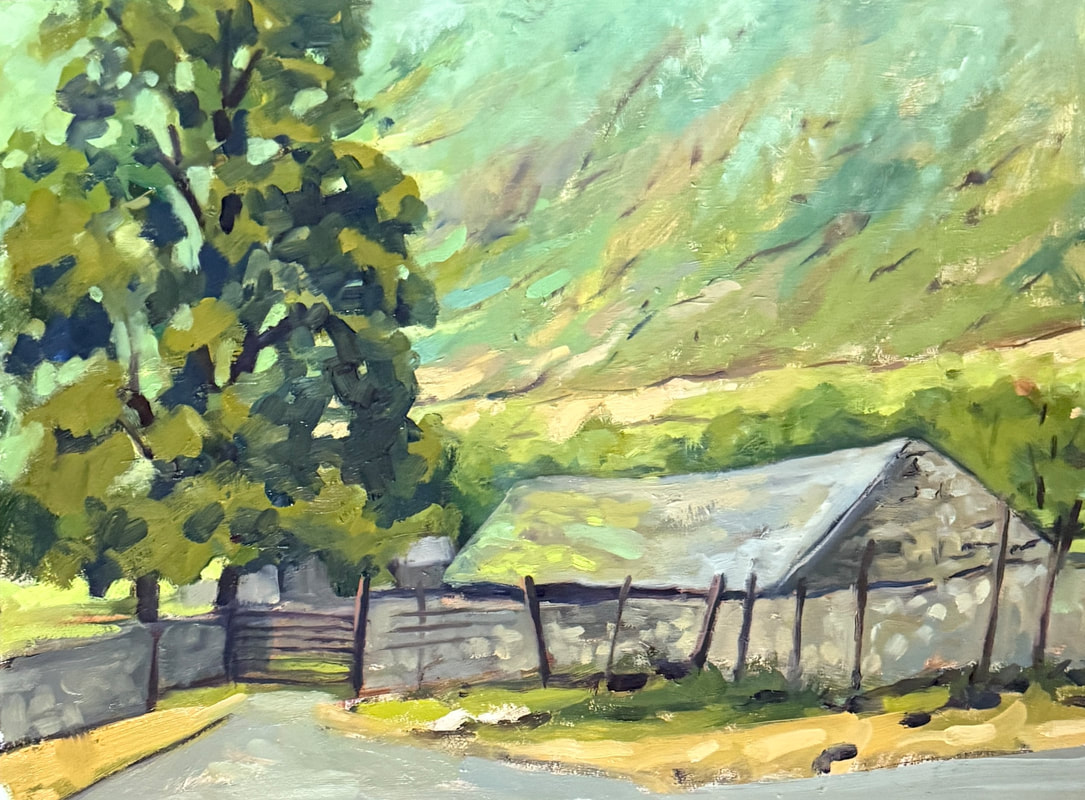
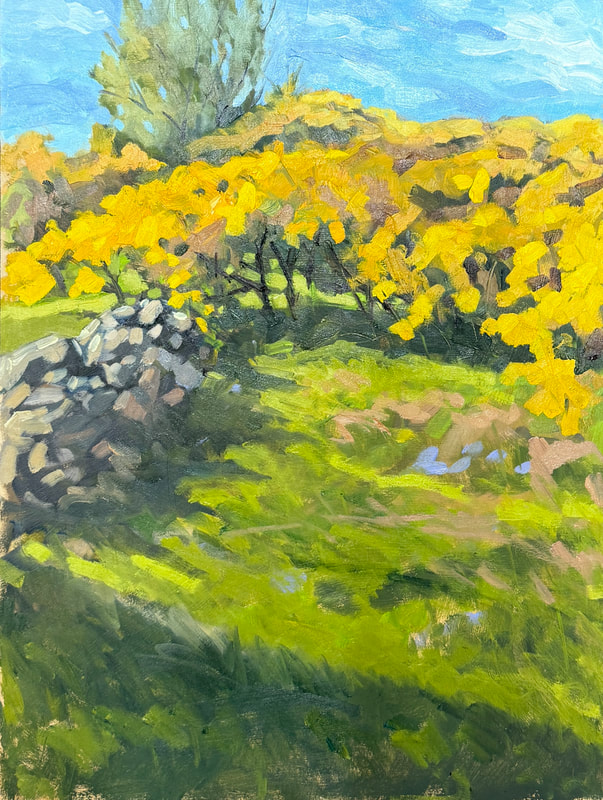
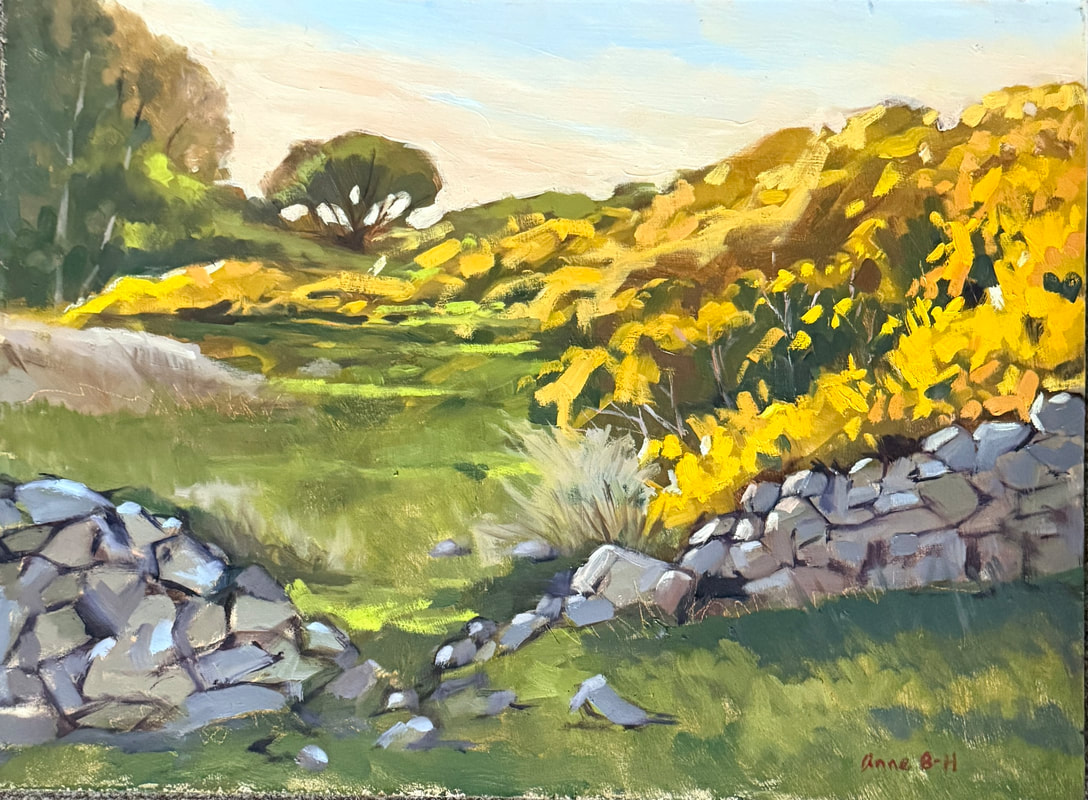
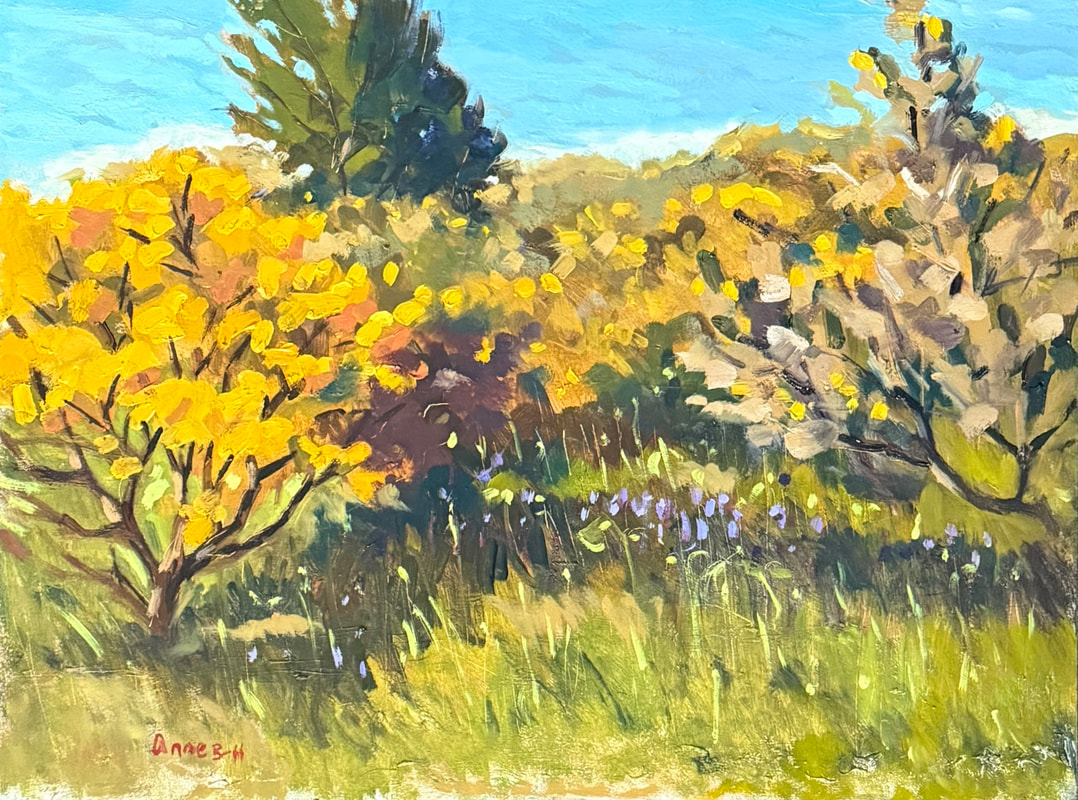
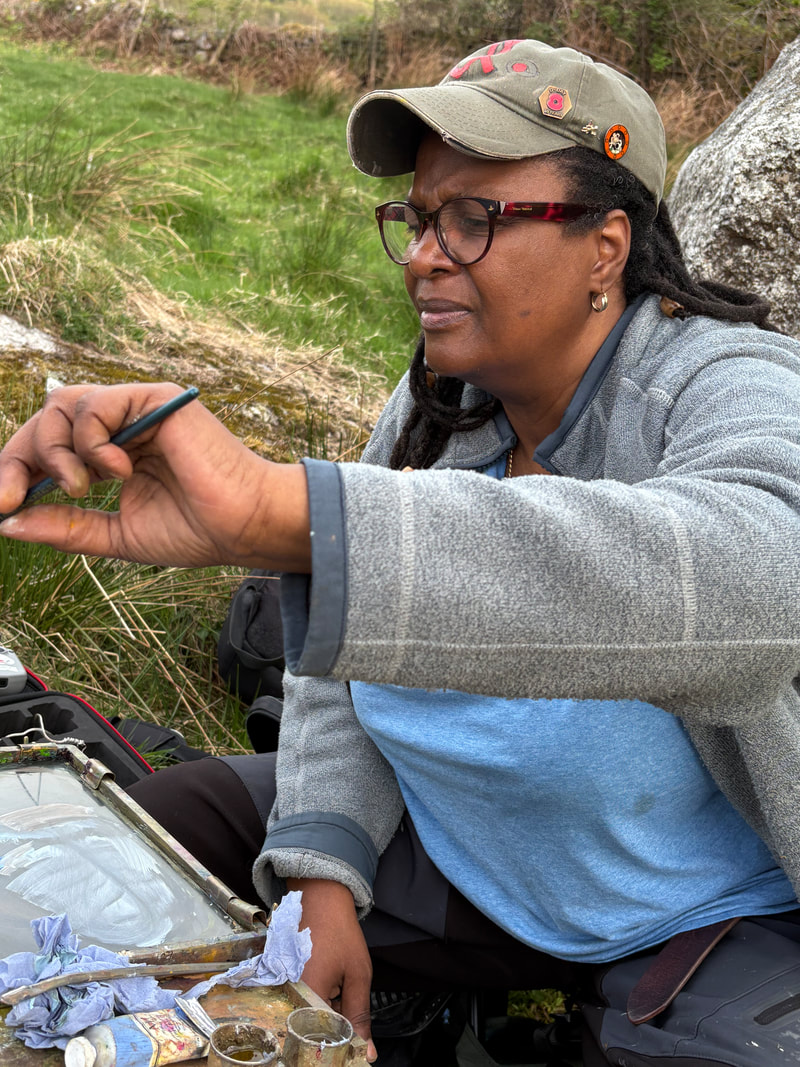
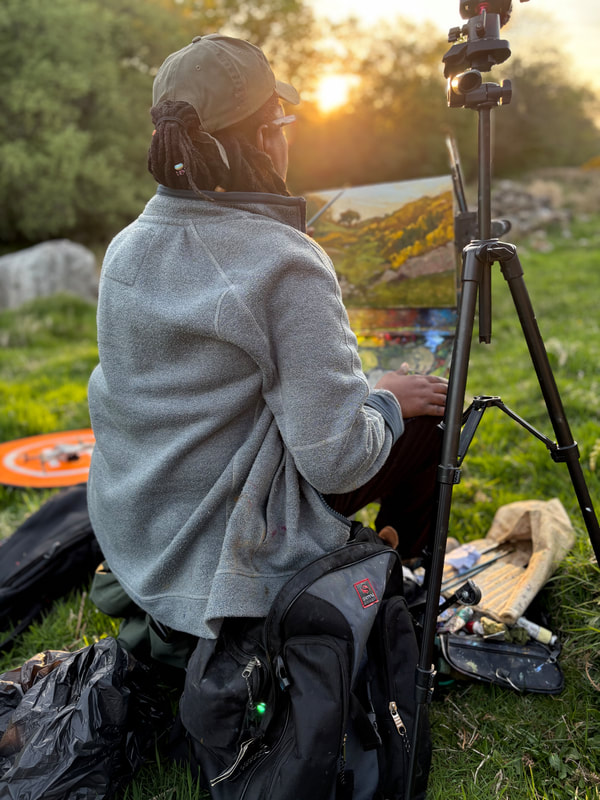
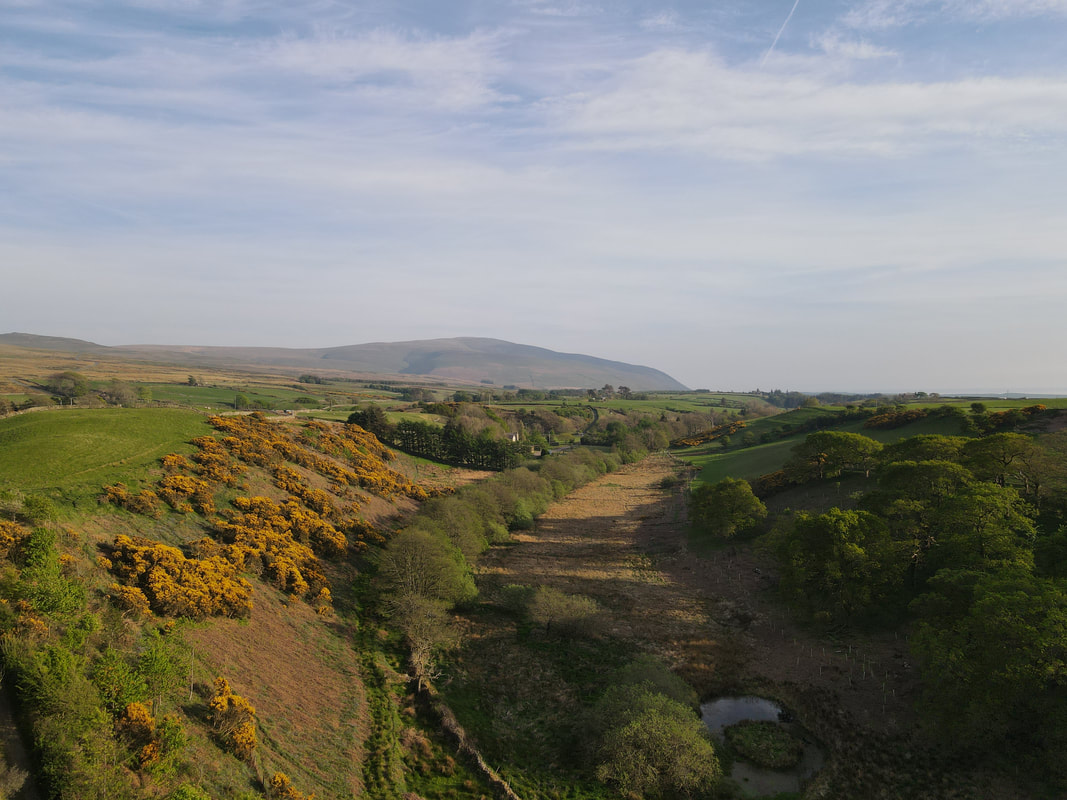
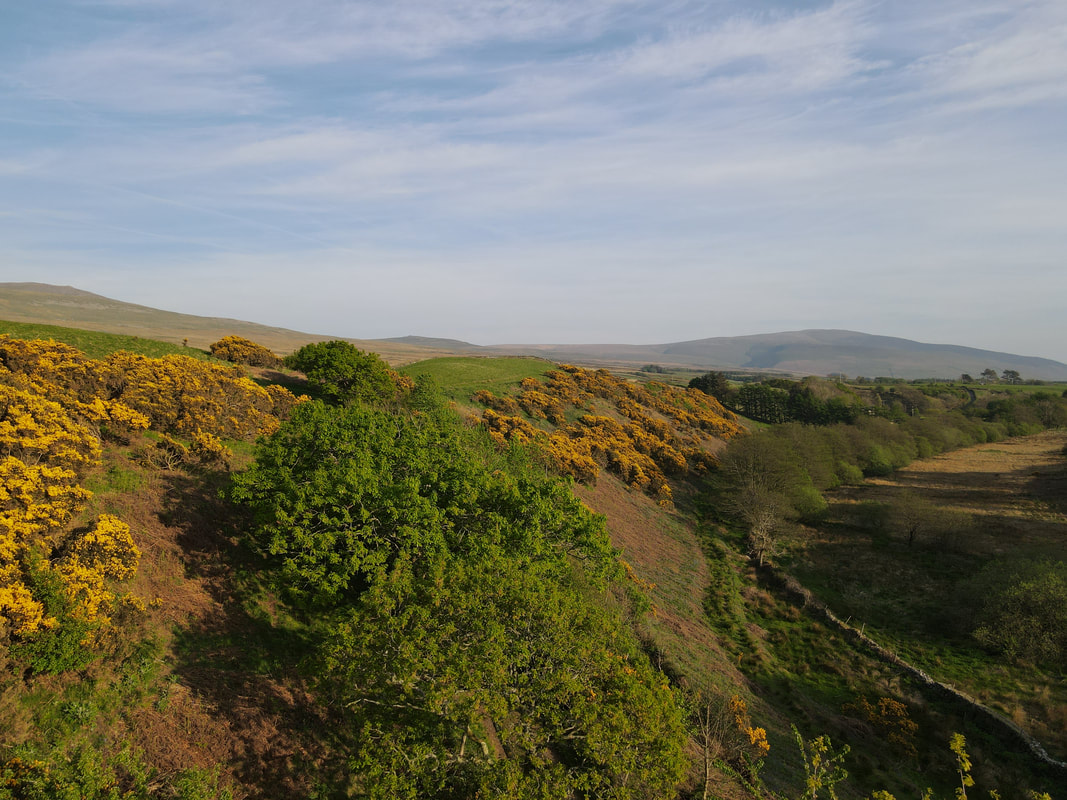
It’s called Fragments of Belonging: Whitehaven Reimagined, and it brings together many threads I’ve been holding for a long time — painting, filmmaking, historical reflection, and the deeply personal question of what it means to belong. The project sets out to reimagine Whitehaven’s harbour — not just visually, but emotionally and historically. I’m especially drawn to its connection with Cape Coast in Ghana, the harbour town where my family originates. Although I didn’t grow up in Cape Coast, in Ghanaian culture your roots are always traced through your ancestral hometown. It’s part of how you know who you are. Cape Coast and Whitehaven sit on opposite sides of the ocean, yet both are shaped by the legacy of the transatlantic slave trade. This work isn’t simply about comparing two harbours — it’s about reflecting on memory, identity, and how stories (both told and untold) shape the landscapes we live in. The idea for this project began to take shape last year during Refugee Week 2024, when I had the opportunity to work with a group of refugees here in Cumbria. We explored the question: What does home mean to you? The conversations were powerful — tender, searching, and honest. I captured some of those moments on film and later turned them into a short documentary. That project stayed with me and sparked something that’s continued to grow — a desire to look deeper into the idea of home, place, and belonging in my own context. Over the next five months, I’ll be gathering sketches, making paintings, filming, and reflecting. In my mind, I’ll be wandering through Whitehaven’s customs houses and cobbled alleys, sitting in quiet places by the harbour, and exploring the architecture, the shoreline, and the memories held within them. It’s a solo process, but not a solitary one — I’m continually shaped by the people I meet, the stories shared, and the atmosphere of the town itself. I’ll be sharing glimpses along the way — sketches from the field, behind-the-scenes clips, and reflections as the project evolves. If you’d like to follow the journey, you can buddy me on social media or through my website by commenting on my posts. And if you fancy supporting me with a coffee (or something more sustaining), there’s a link to a 'Donate' button on my homepage where you can do just that. Every little bit of support helps and is truly appreciated. For now, this is just the beginning — a quiet hello from the shoreline, where old stories meet new paint, and the idea of belonging is gathered one fragment at a time. May has drawn me outside more than usual. I run the Lake District Plein Air group, so I do get out to paint at least once a month, but this time I’ve managed four outdoor pieces—all within a few weeks. That’s out of the ordinary for me. Three were painted in a gorse and bluebell field during a welcome spell of sunshine, and the fourth at Old Dungeon Ghyll on a much wetter, more unpredictable day.
The days in the gorse field were particularly special. Glorious sunshine, yellow blossoms in full bloom, a smattering of bluebells carpeting the ground—there was something very grounding about being in that space. I went back more than once, not just to paint, but to take it all in and let myself settle into the landscape. I even took my drone along one day, which gave me a different perspective altogether and will be useful when I revisit those scenes in the studio. Painting outdoors always comes with its own set of challenges—changing light, unpredictable weather, and the pressure of working quickly. At Old Dungeon Ghyll, for example, the rain brought the session to an abrupt end. But I’d done just enough to be able to finish the piece later. Sometimes it’s about knowing when to stop and when to take it back to the studio to let it unfold more slowly. Even though plein air painting isn't my usual way of working, I’ve noticed a shift. I’m beginning to feel a little more at ease with the process. I still think of myself primarily as a studio painter, but I’m starting to enjoy the rhythm of outdoor work. There’s something very real about being face to face with a place and having to make decisions in the moment. It sharpens your instincts and encourages a more direct response—both of which have started to feed back into my studio practice. In the studio, I can pause and reflect. I can move things around, simplify or exaggerate, follow a feeling rather than the facts of a place. But I’ve come to see how important it is to pair that with time spent outdoors. Even when the plein air paintings don’t feel finished or polished, they give me something that studio work alone doesn’t—an immediacy and honesty that’s hard to replicate from memory or photographs. This month has reminded me how valuable that balance can be. The more I get outside, the more I realise it’s not about perfection or producing a finished piece every time. It’s about showing up, paying attention, and trusting that each attempt adds something to the bigger picture. I do consider myself a plein air painter, and I’m often invited to lead plein air workshops—but I’m still learning, and I think that’s something worth sharing. Each outing teaches me something new about how I see, how I respond, and how I want to paint. There’s value in being open about that ongoing process, especially when guiding others. This month has reminded me just how much the act of getting outside—no matter the weather or outcome—feeds both my confidence and my creativity. It’s a rhythm I’d like to keep going. Whether you’re just starting out with plein air or have been painting outdoors for years, I’d love to hear how you navigate the balance between spontaneity and structure, observation and interpretation. Do you prefer working in the moment, or taking time to refine things later in the studio? Feel free to share your thoughts or experiences in the comments—I always enjoy hearing how others approach the practice. When I worked at an art publishing company, one of the unexpected perks was access to old, used picture frames. They were being cleared out—no longer commercially viable, too odd in size, too specific in taste. But something about them caught my attention. I began quietly collecting these discarded frames, some I purchased, some I retrieved from the skip, saving them for a time when I might have paintings of my own to fill them.
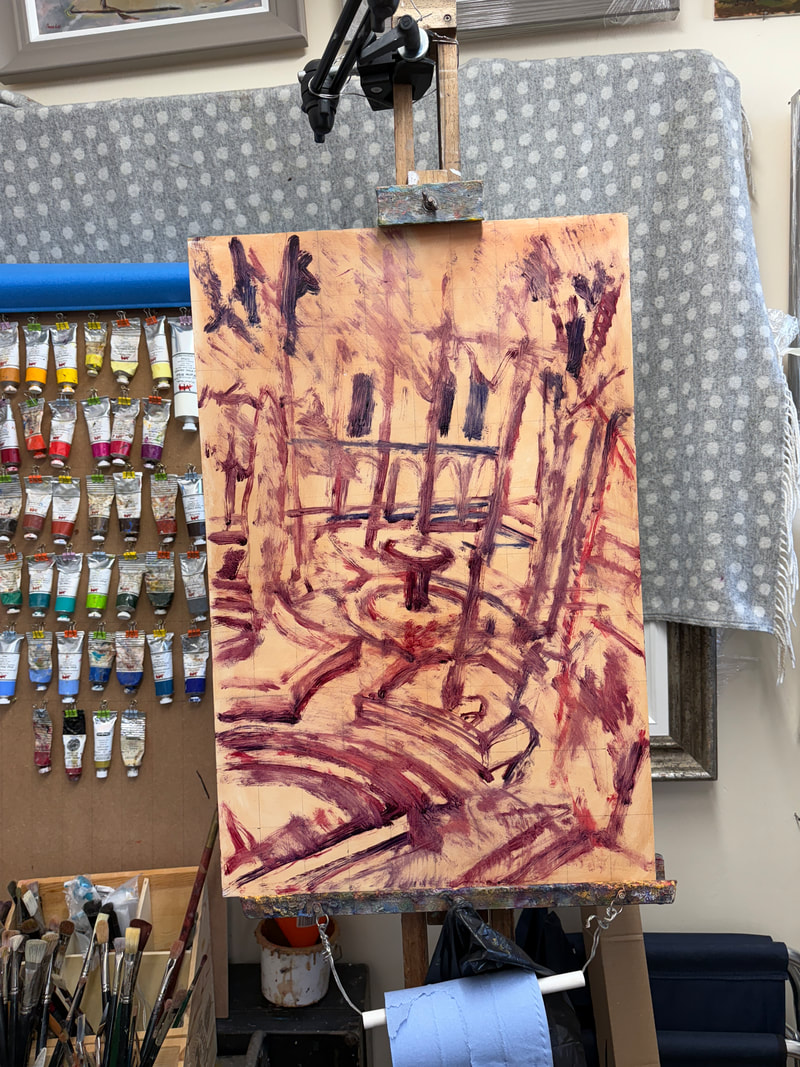
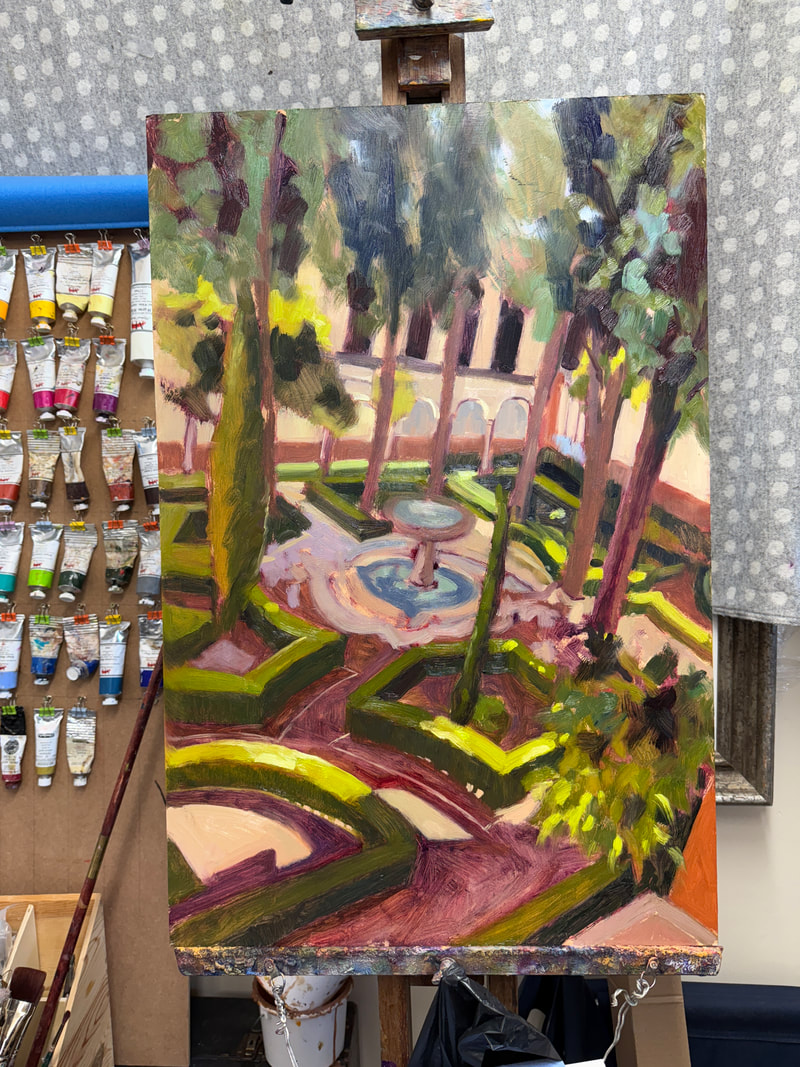
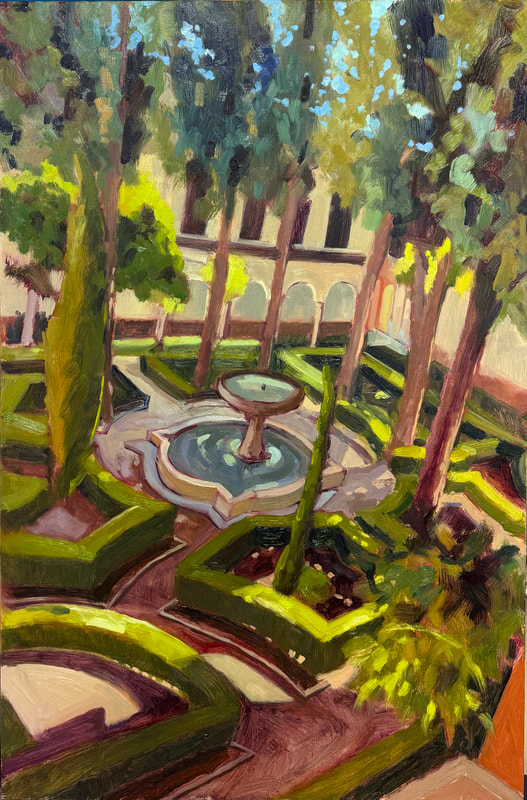
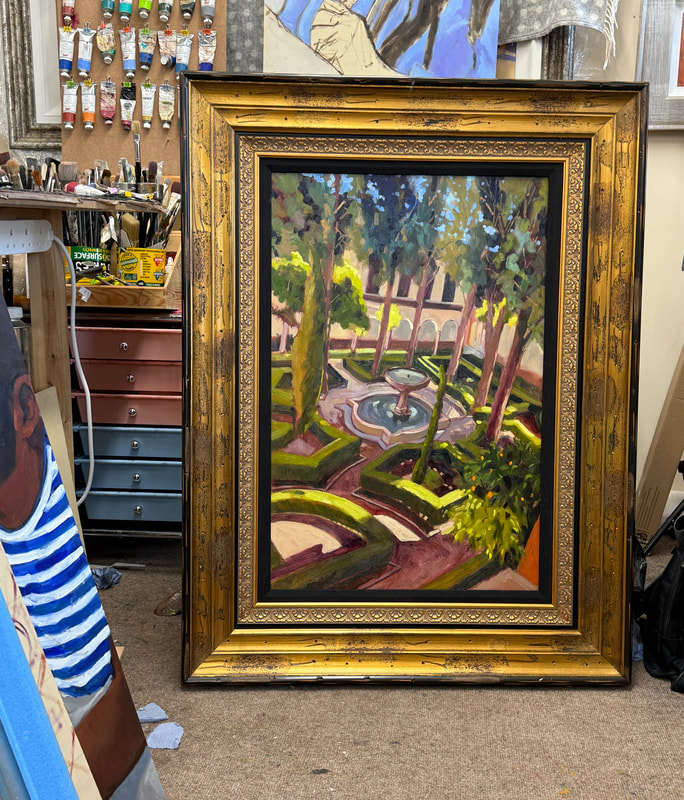
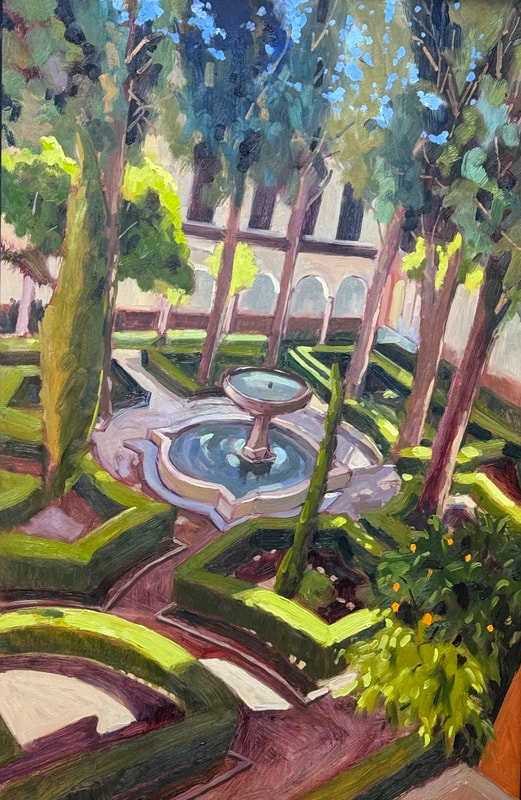
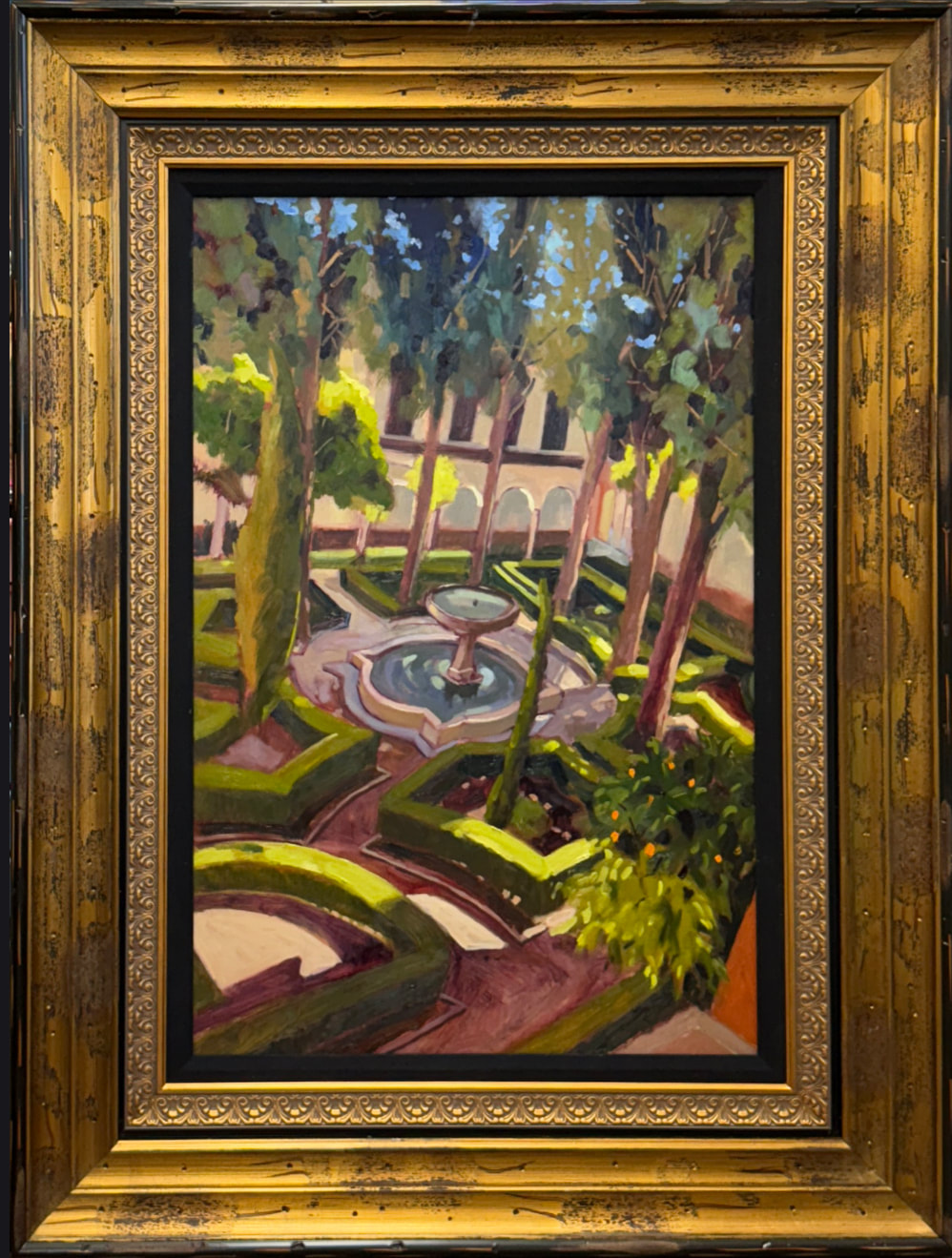
Years later, that time has come—and now, my studio is full of frames. Not neatly stacked or catalogued, but gathered in corners, leaning against walls, stored on an overhead shelf unit, quietly waiting. Some are ornate and gilded, others more subdued and contemporary. Some seem to demand something bold and dramatic; others whisper gently, asking for subtlety. They’ve become a kind of visual to-do list: not of ideas, but of intentions. What I didn’t expect was how much they would start shaping my work. Every so often, I’ll spot one and think, I know what painting would fit that frame. More recently I've thought about what I could paint to go in that. It’s a reversal of the usual process. Rather than finishing a painting and then seeking the right frame, the frame comes first—setting the tone, the dimensions, even the colour palette. One such piece is currently in progress: a view of the paradisal gardens at the Alhambra Palace in Granada, Spain. It’s destined for a dark gold and black frame that feels rich, warm, and slightly mysterious. The match wasn’t logical—it was intuitive. Something about the frame called for a sense of place, of history, of lush greenery and shadowed walkways. Whether the pairing “works” or not is, of course, subjective. But I like it. And more importantly, I enjoy the conversation that begins between frame and painting, even before the first mark is made. There are definite benefits to working this way. For one, it’s sustainable—breathing new life into discarded materials. It’s also practical: used frames are far more affordable than new ones, and often beautifully made. I work on board, so it’s easy to have a panel cut to size to match the frame. This gives me the freedom to respond to the frame’s dimensions directly, rather than wrestling it into submission after the fact. But there are also creative challenges. Some frames come with strong personalities—heavy, dramatic, or deeply traditional—which can feel at odds with the minimal, clean-lined presentation often associated with contemporary art. There’s a balancing act involved in making sure the frame enhances the work rather than overpowering it. It’s a constraint, but I find constraints useful. They ask something different of you. These frames aren’t just leftovers. They’re quiet provocations. They shape how I think about composition, scale, tone. They narrow the field in a way that somehow expands the possibilities. Only a few of them have found their perfect match so far. The Alhambra frame is one. But others are still waiting. And I know, given time, they’ll each inspire something. This is what I think of now as framed intentions—paintings sparked by the frame itself, artworks born within the edges of something that already exists. Sometimes I think I’m painting pictures. And sometimes, it feels like I’m completing the frame. I do wonder—does anyone else work this way? Do your frames ever dictate your paintings? Do please let me know in the comments below... PS If you have come to my blog from one of my social media channels and would like to comment, please be sure to add your comment to the blog comments section below so others can view and respond. Social media is so transient isn't it? |
AuthorI love to paint and sketch and although predominantly a studio artist, I have discovered the joys of painting and sketching outdoors. Archives
April 2026
Categories |
 RSS Feed